
THE MAKING OF
THE PORTA MAGICAE UNIVERSE
The Porta Magicae Children’s Book Series will take you traveling into the past, the present, and the future of far-flung locations through well-researched and accurately illustrated adventure stories. But what about the travels, the explorations, the research, the illustrations, and the stories — who is doing all of that and how are they creating it?
Here, we show you…
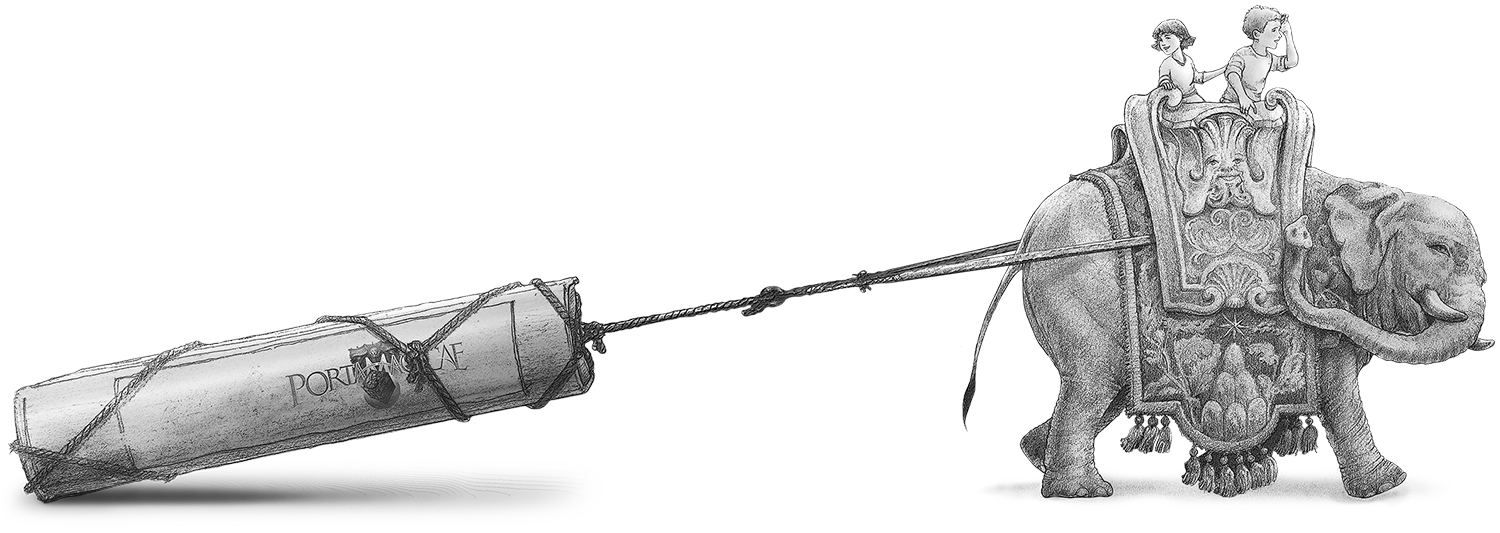
THE MAKING OF A PORTA MAGIACAE BOOK
RESEARCH AND TRAVEL AND MORE RESEARCH
When you pull a Porta Magicae book from a shelf to read one of our travel adventures, it is the culmination of a very long and incredibly wonderful journey. Exhaustive research has been done to select a continent to travel through, a culture to explore, a route to follow, countries to visit, cities to settle in, places to rest, and a table and good light to sit and work during our long stays. Sometimes it requires three months or more dedicated to each country, like when traveling through Colombia, Ecuador, or Peru—or repeat visits, like when studying very large and complex cities such as Rome, Barcelona, Mexico City, New York, or Istanbul, which have required multiple visits. Other times we use a city as a base camp, like Cusco, where we spent seven weeks and used it as a hub to make shorter trips to the Sacred Valley, Machu Picchu, and many other amazing sites in the Andes. The results are stories created with information that might start on the internet, but with insights that come from having been there, meeting new friends, drinking the water, feeling the air, and receiving the inspiration to create the kind of stories that, for us, cannot be created any other way.
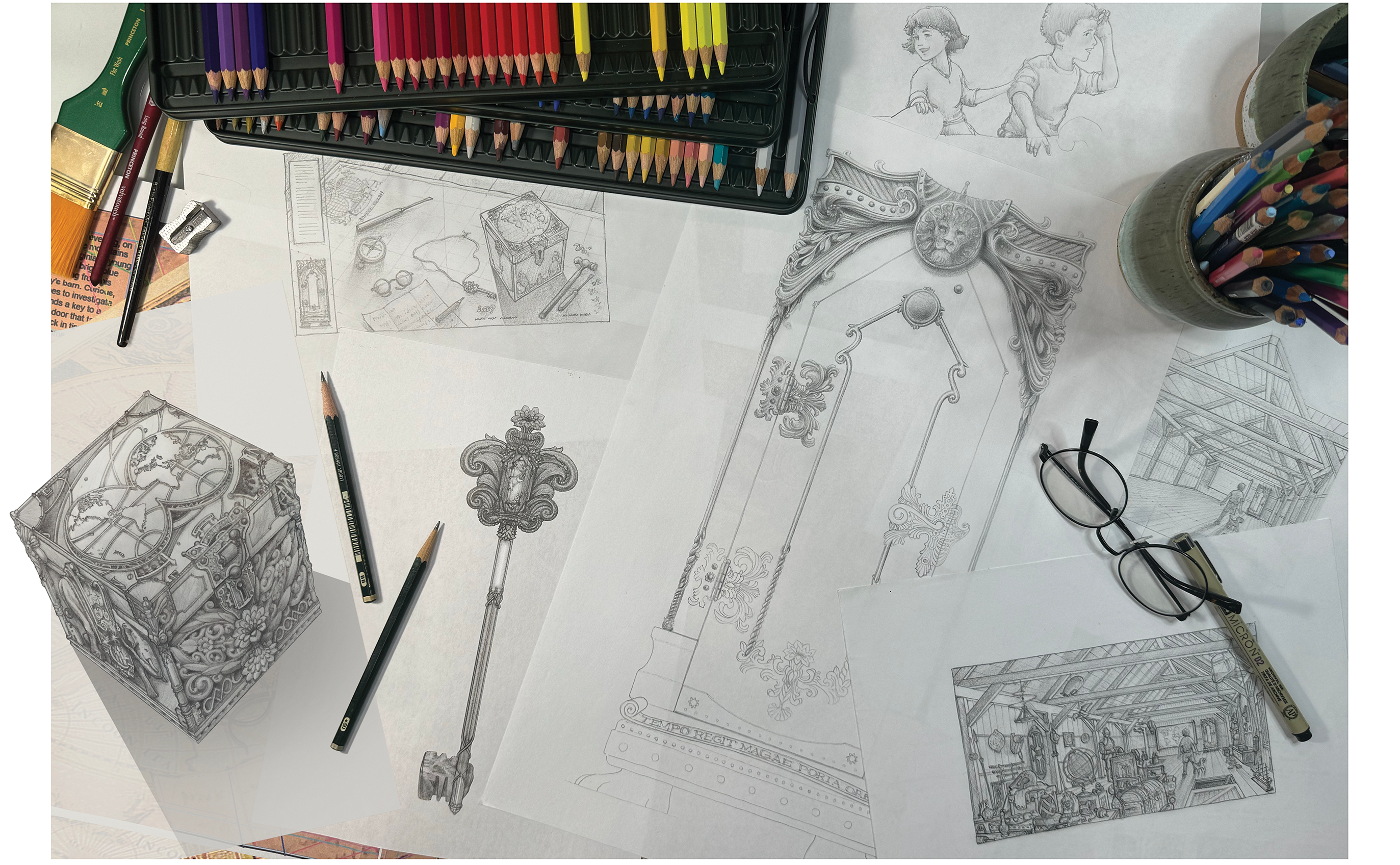
Although the entire team is up to date with the latest technologies—AI, for example, is used to help with many tasks, like research and organization, and several of us have taught computer graphics at the college level—our illustrators take pride in designing everything from scratch, with a white piece of paper and a pencil as the main tools.
“Apart from the feeling of having a finished book in our hands, it is the most beautiful part of making of the books, the way knowledge seeps into you when you travel with an open mind.”
Visiting museums, libraries, and bookstores, especially very old ones, is one of our favorite things to do when traveling for research—and every country has one of those: the little bookstore, hidden somewhere, with books that have not been opened in ages. Those are our treasures, the ones with the secrets, perfect for stepping back through the years. Books by local authors are also a great resource, especially when written in their native language and using colloquialisms that serve well to enrich our stories. But when writing adventure stories about a magic door, the best inspiration comes from seeking those adventures ourselves, and every day—we have discovered—there is something out there to be discovered if you go out looking for it.
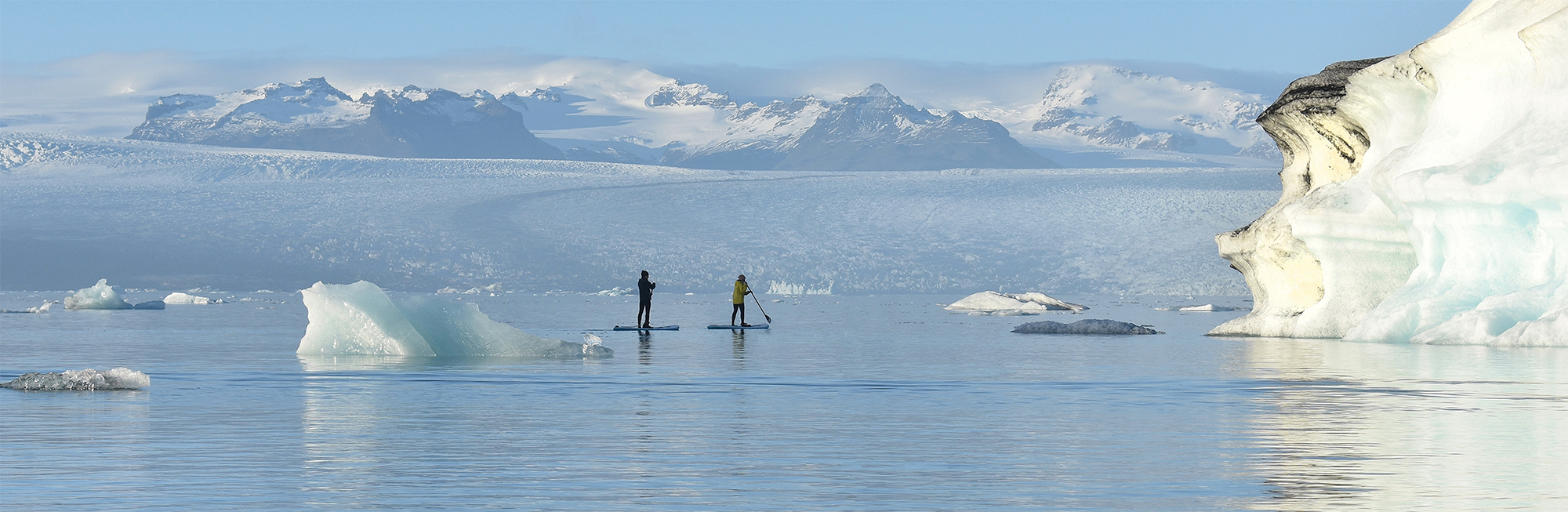
When delivering magic, Jökulsárlón Glacier Lagoon, in Iceland—a country of many legends, has very few rivals.
We illustrate both as we travel and once back in the studio. Staying for long periods at the most interesting locations gives us the opportunity to do sketches and light and color studies on different days and times of day, and from various angles and perspectives. There is nothing like capturing a feeling or sense of place as when done on site through a sketch. Yet, photographing our destinations is something we are passionate about. Maintaining a photographic record of the places we explore and creating an image library that can be used as a reference for our book illustrations is one of our goals when we take, literally, tens of thousands of photos on a single trip. However, snaping that one perfect shot all photographers dream about is always on our minds. Whether it is the beautiful expressions of people captured in the streets of Old Havana, the full spread of a condor’s wings in flight—from above, or what seemed like the smile of a playful penguin—taken underwater with a phone inside a plastic bag, they are images we could have never collected—even with all the planning that has most certainly helped—without being incredibly lucky. We venture out as artists, in search of magical moments that we can translate into stories. But after all the research and meticulous traveling planning, we can only go out there and hope for the best, that is the beauty—that’s when magic happens.
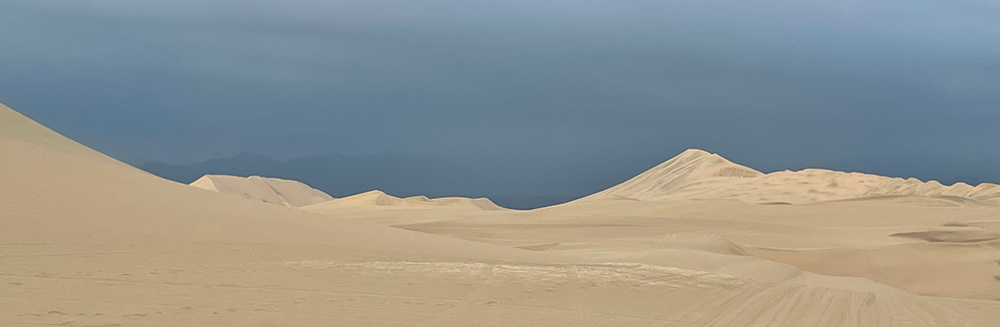
A storm in the nearby Andes ignores the still sands of the Ica desert, near Huacachina, Peru.
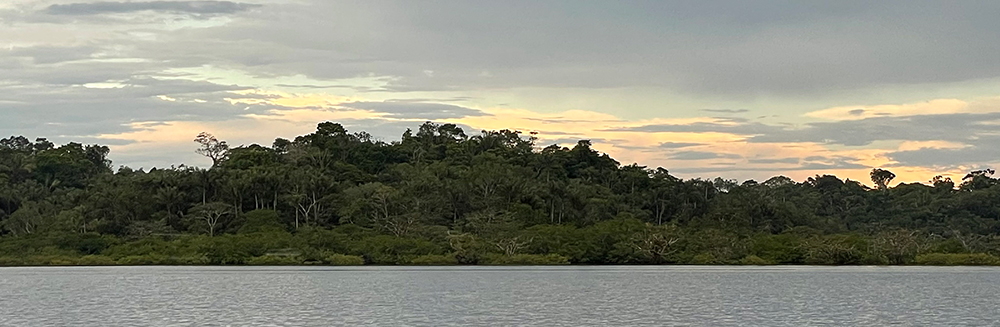
The sun sets with the echos of howler monkeys still resonating in our minds. Ecuadorian Amazon rainforest.
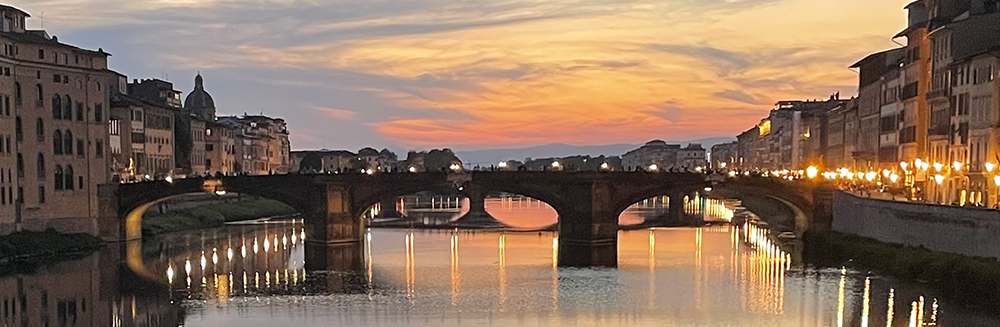
The Arno River flows under Ponte Santa Trinita like it has for over four and a half centuries, Florence, Italy.
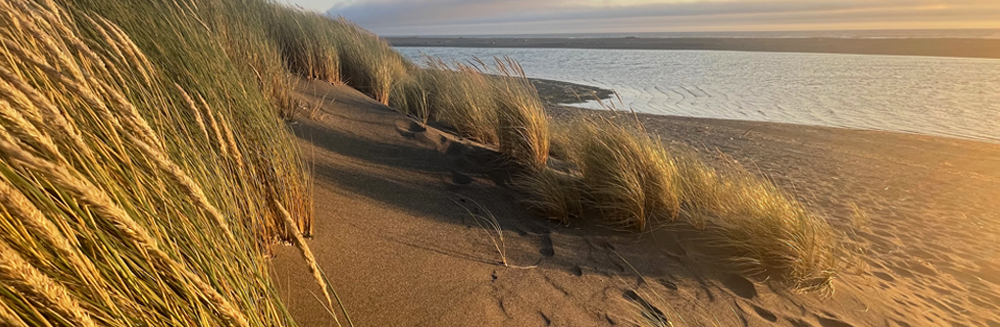
European Beachgrass and the ripples on the Pistol River dance in sync with the ocean breeze. Oregon, USA.
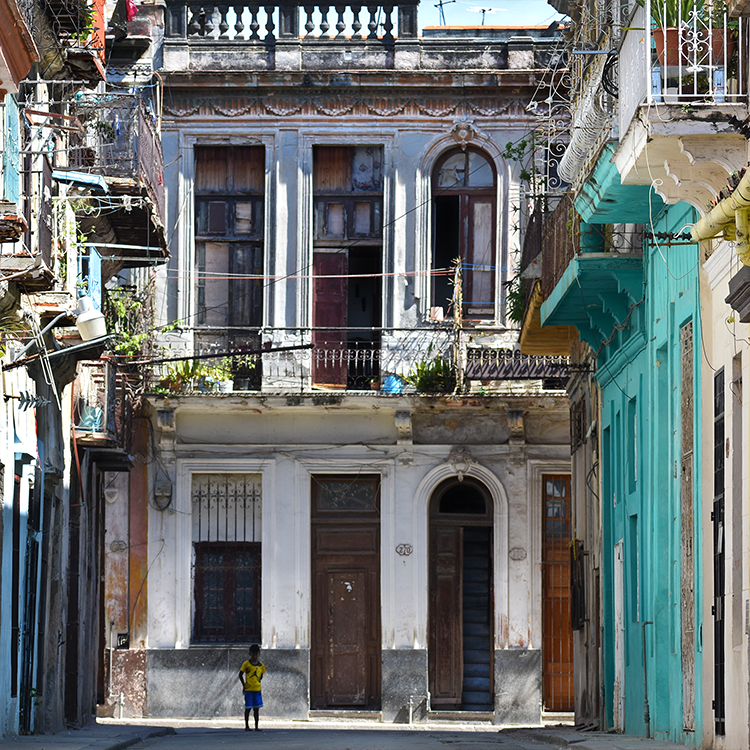
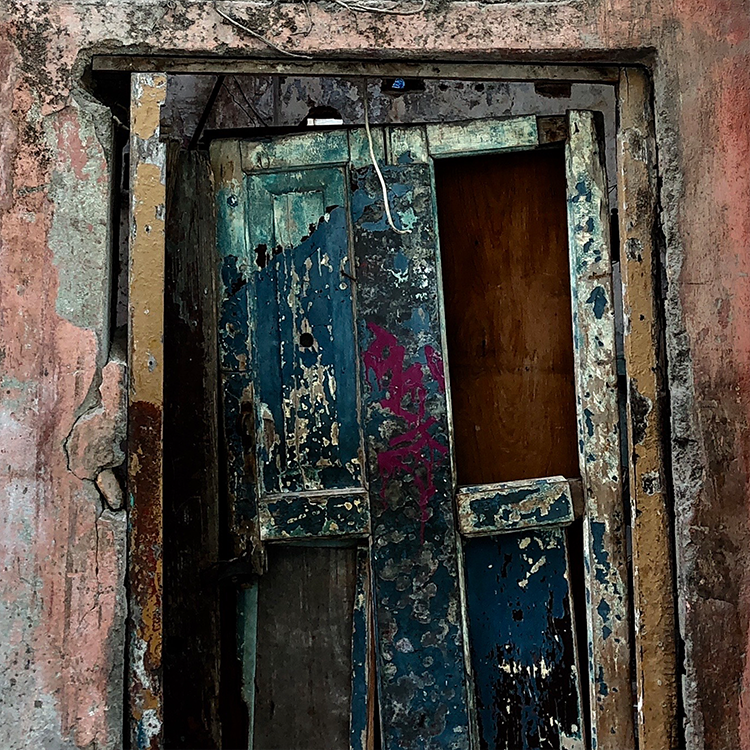
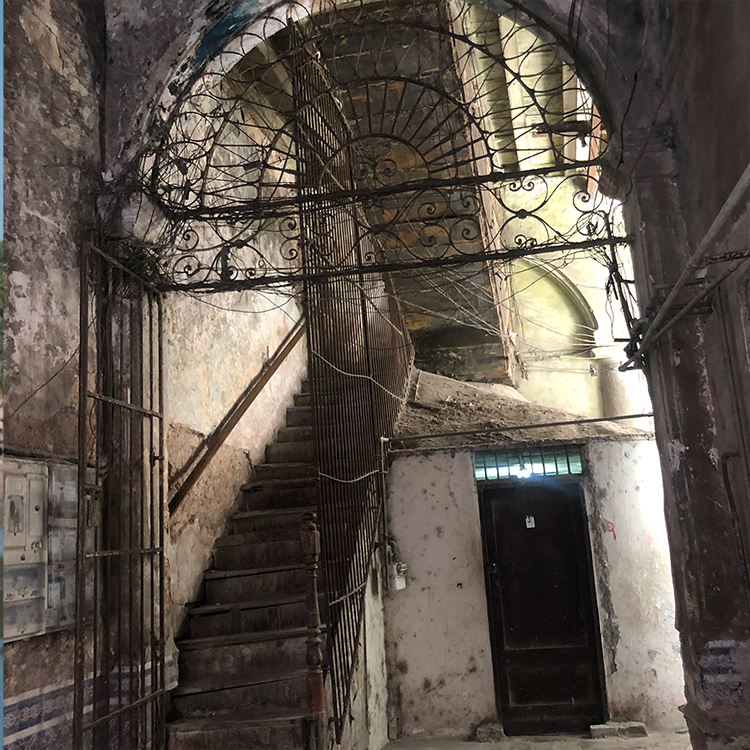
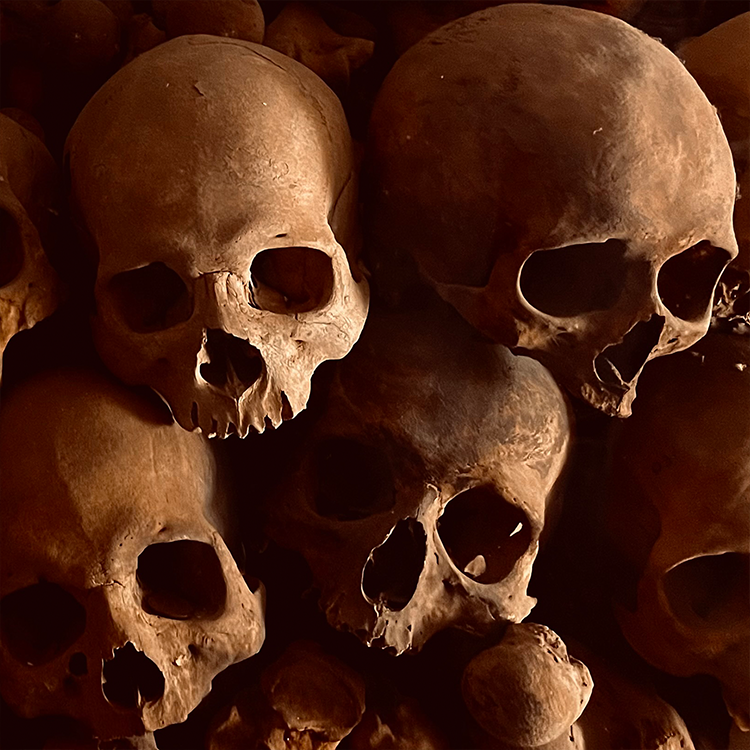
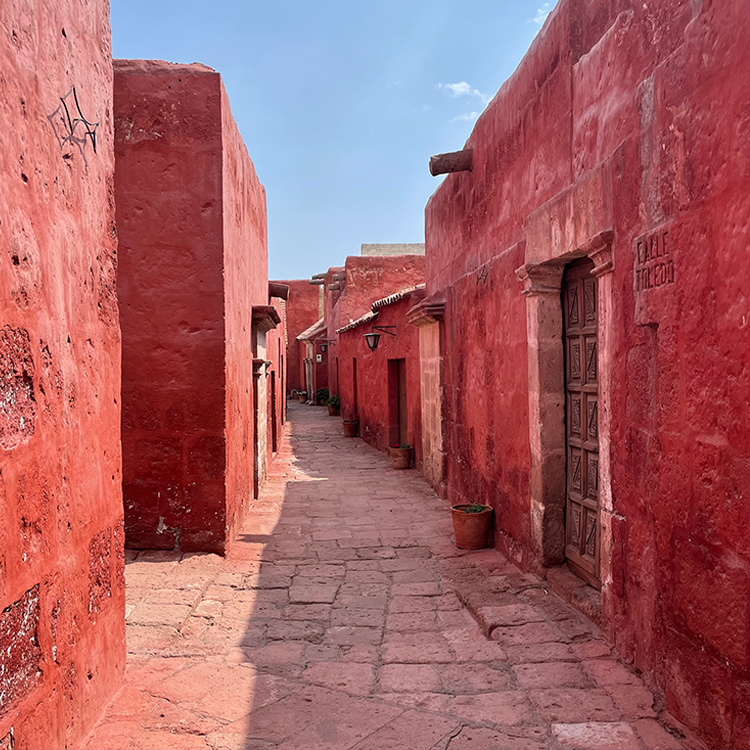
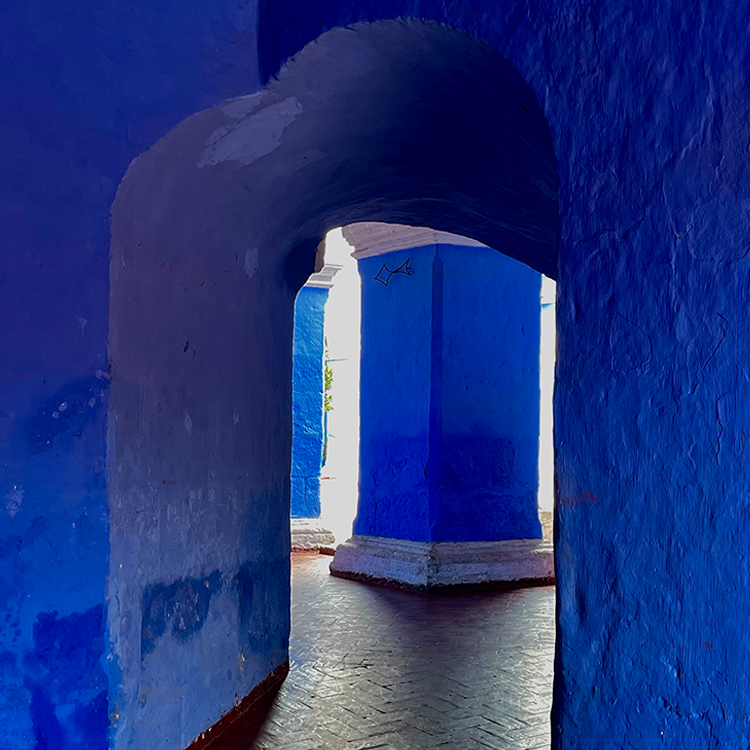
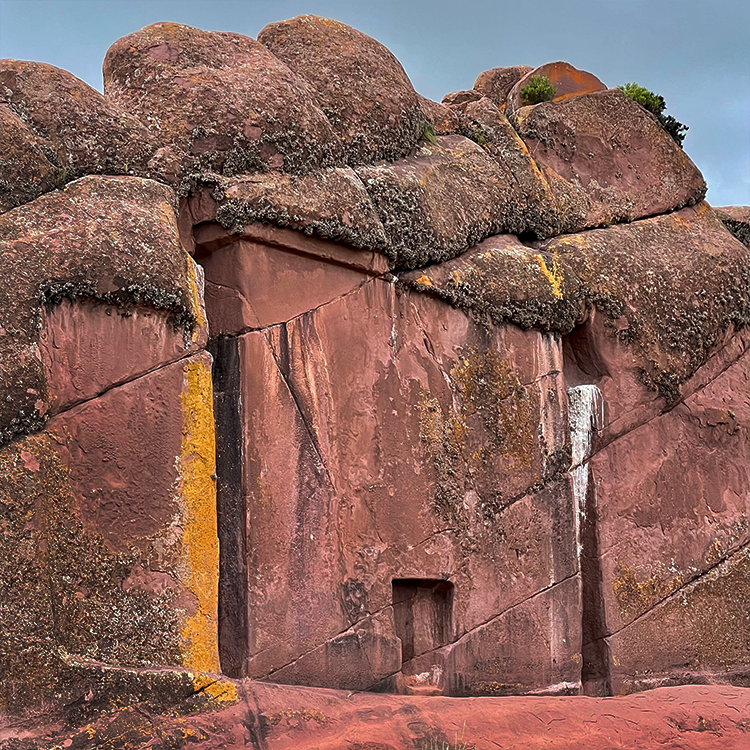
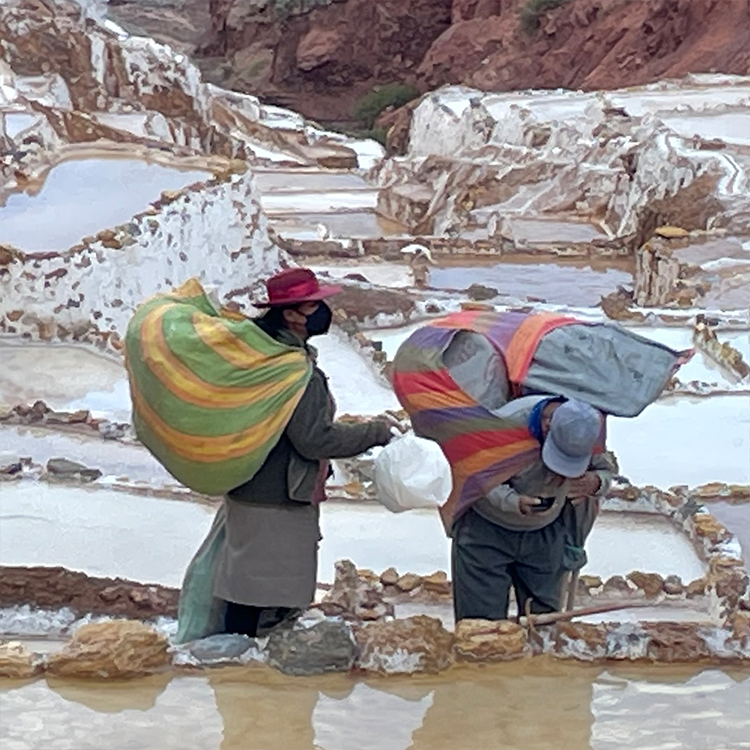
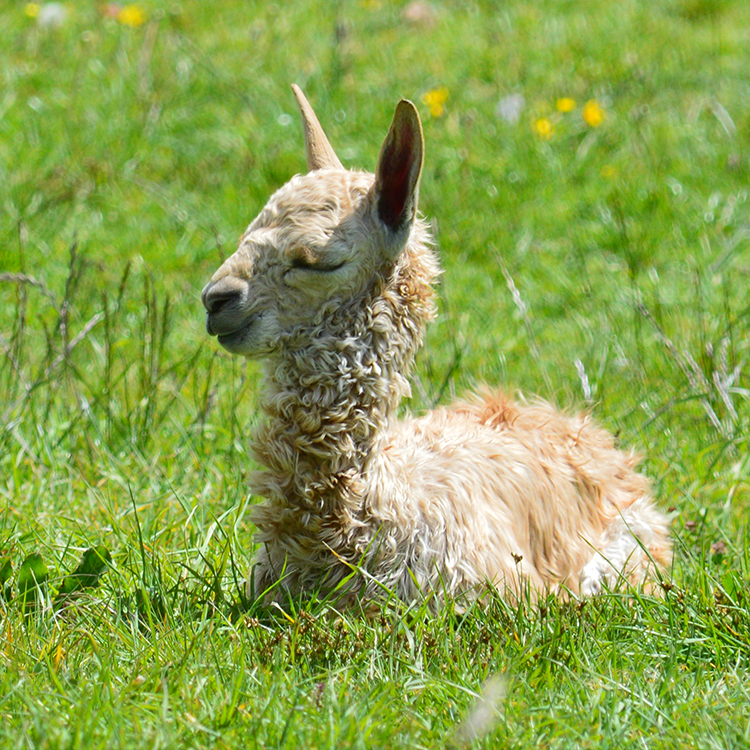
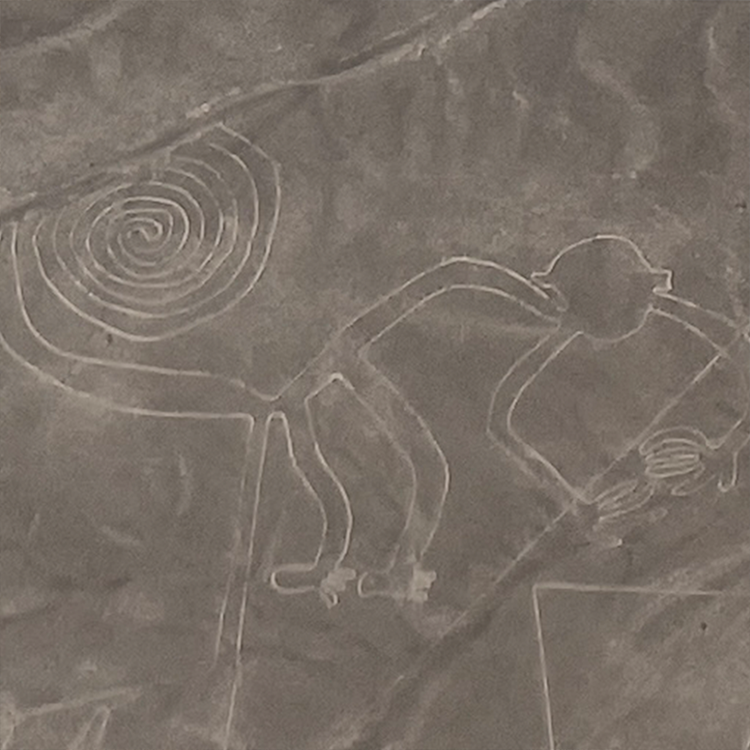
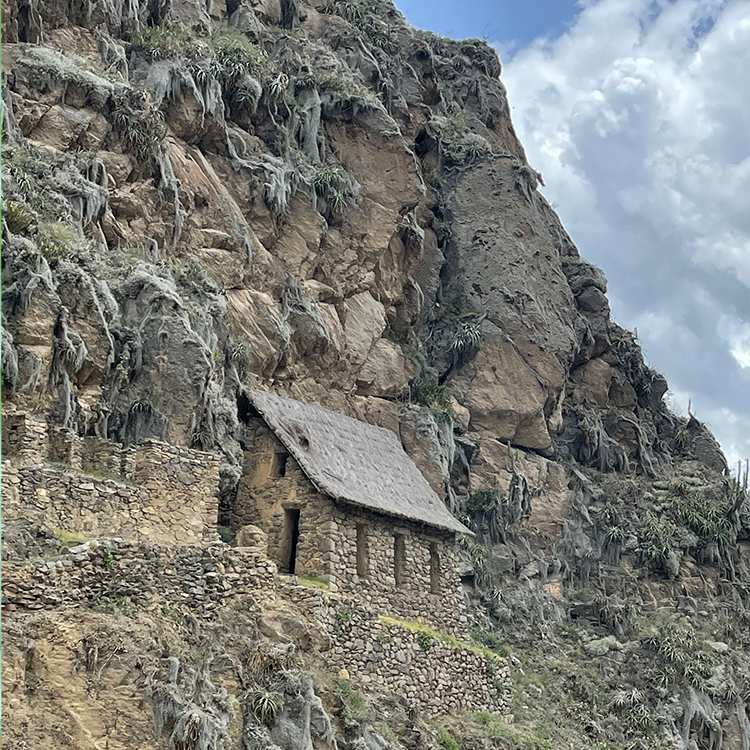
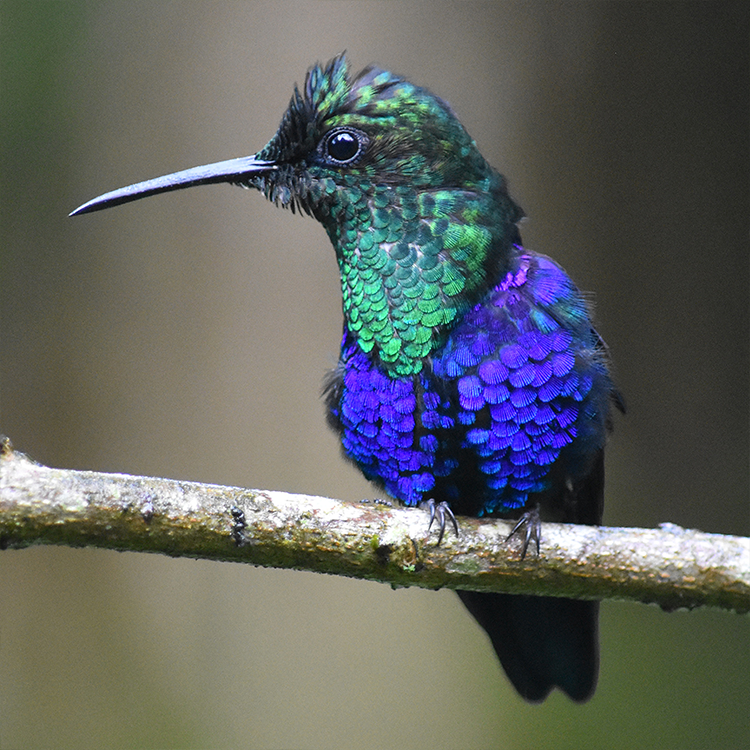
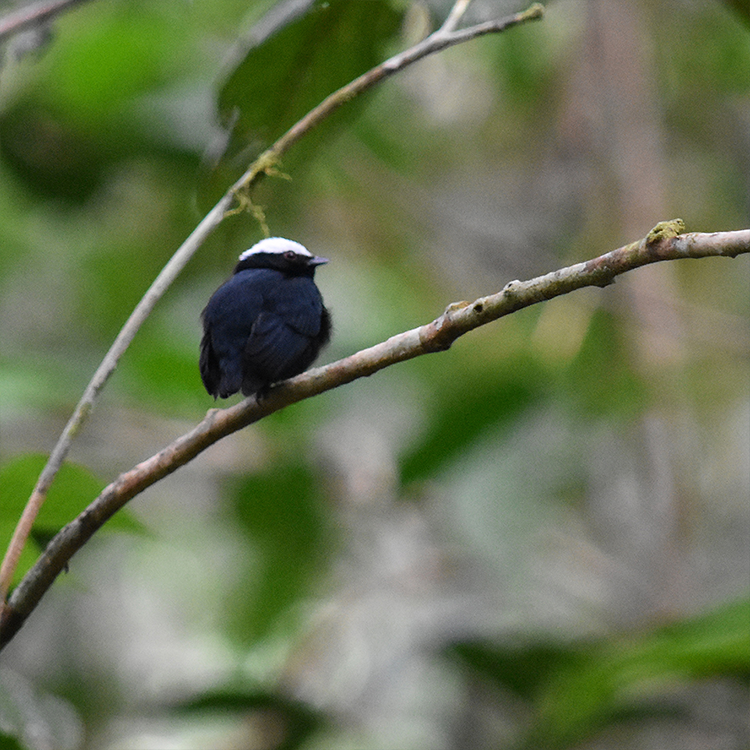
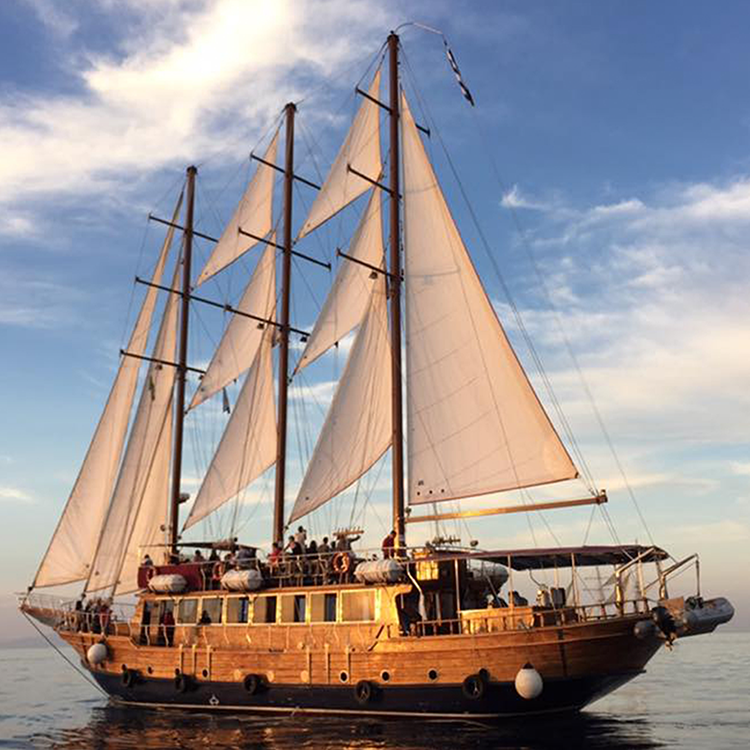
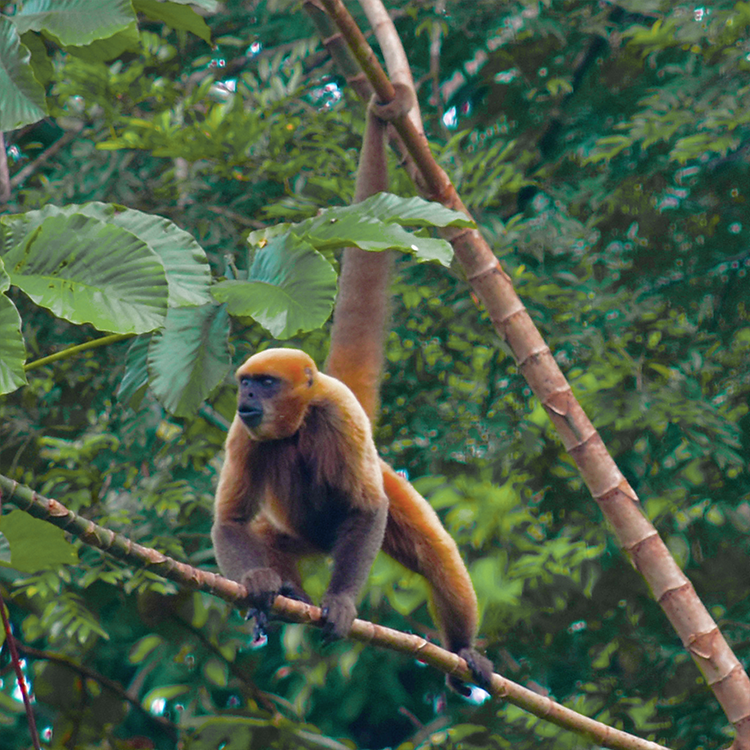
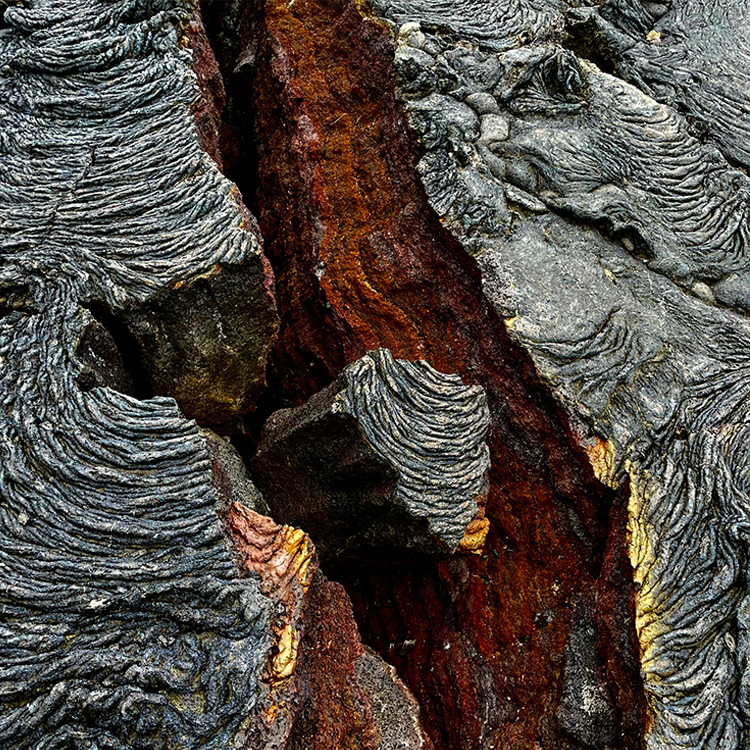
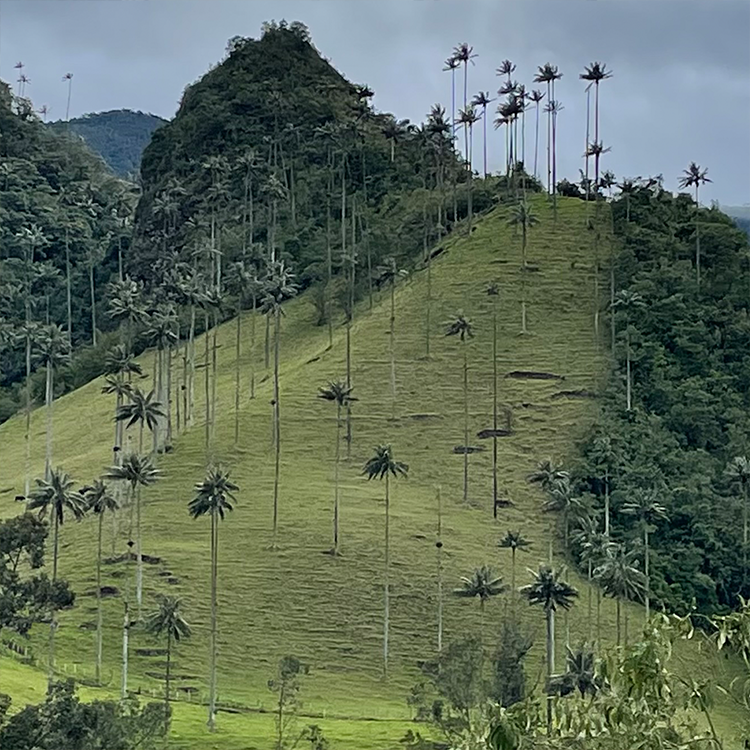
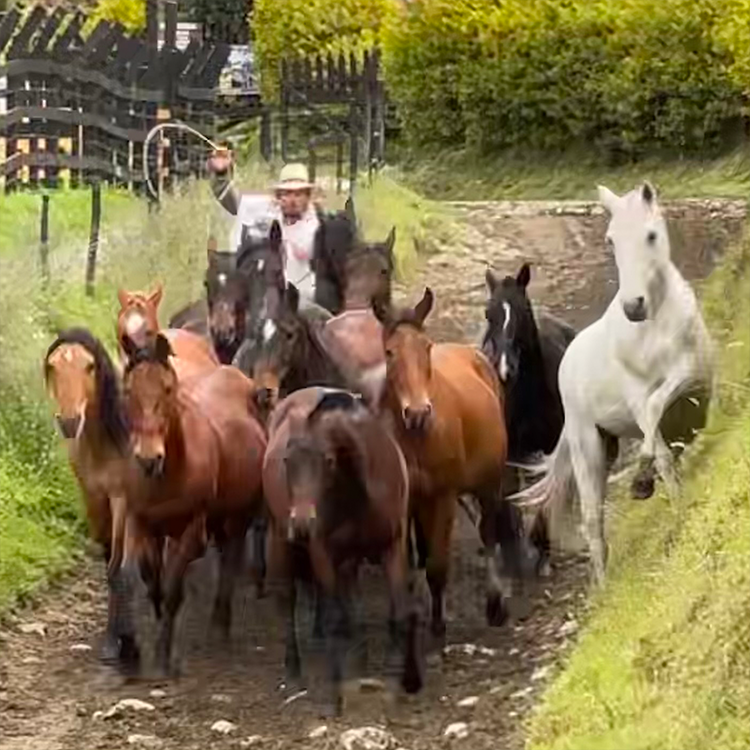
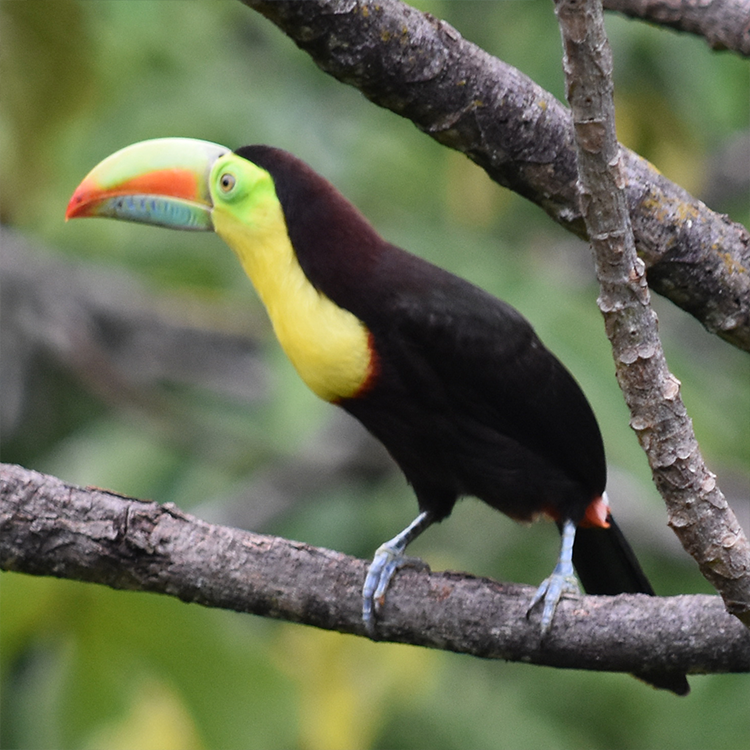
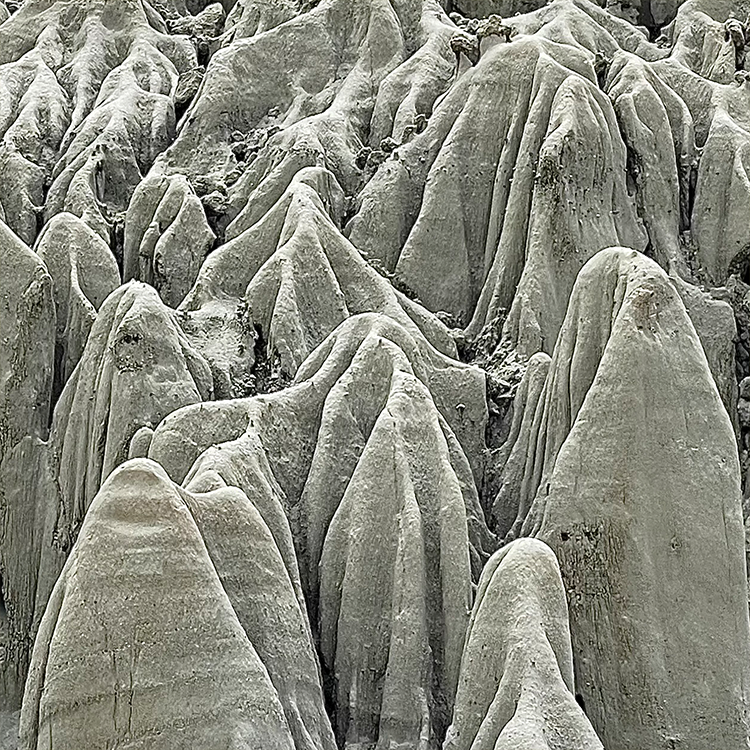
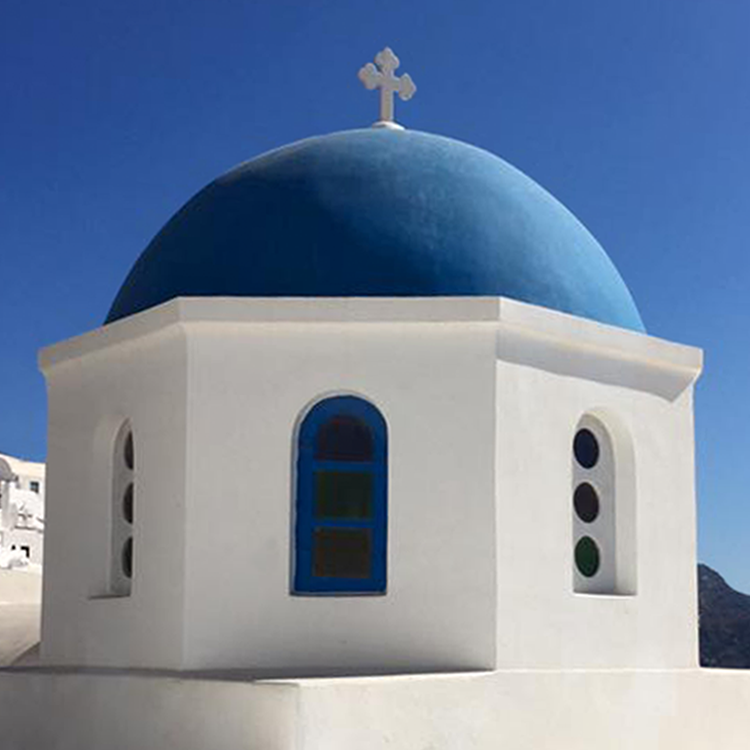
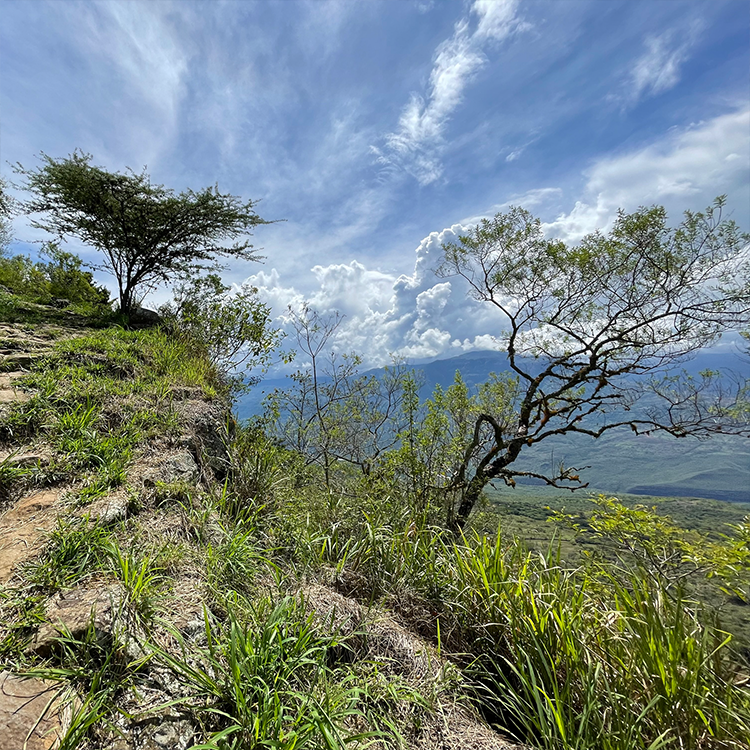
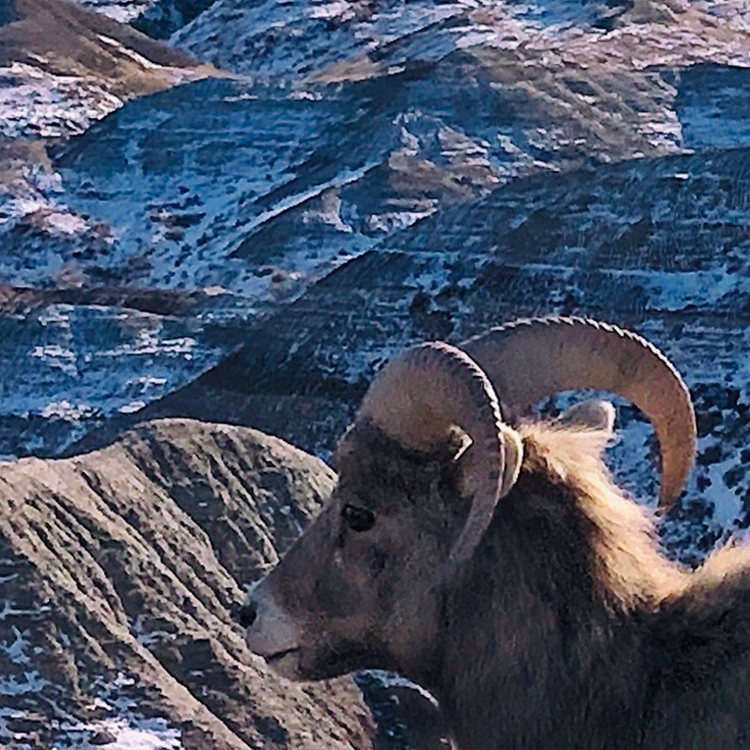
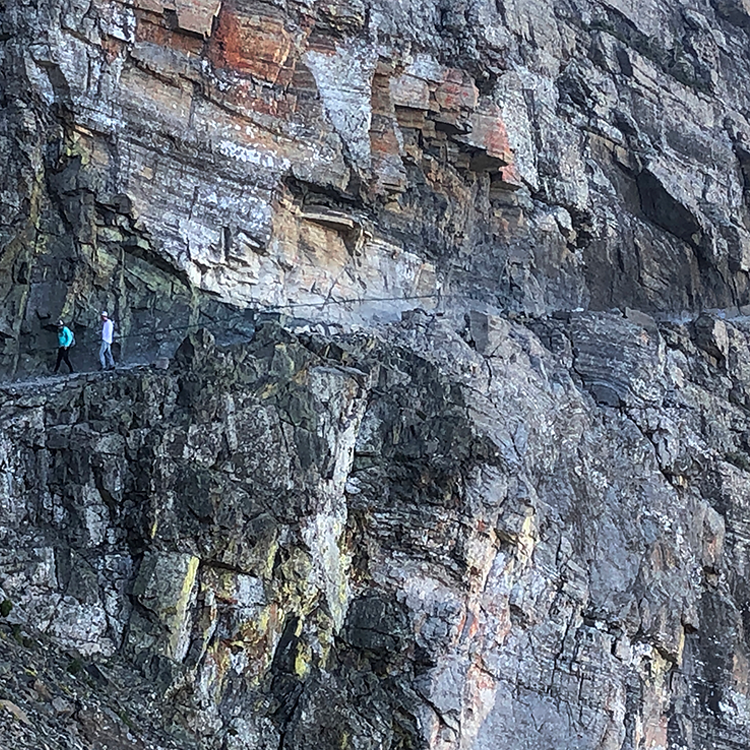
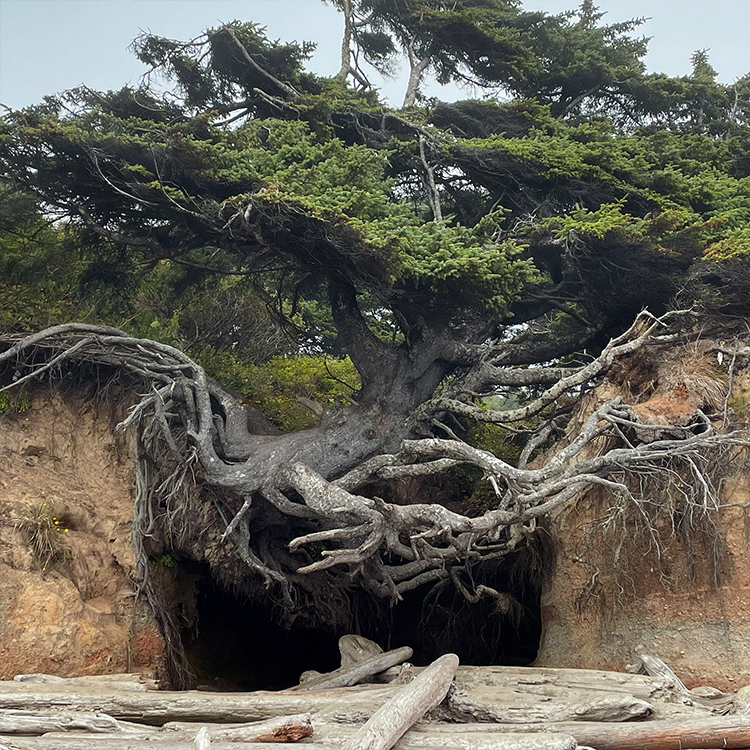
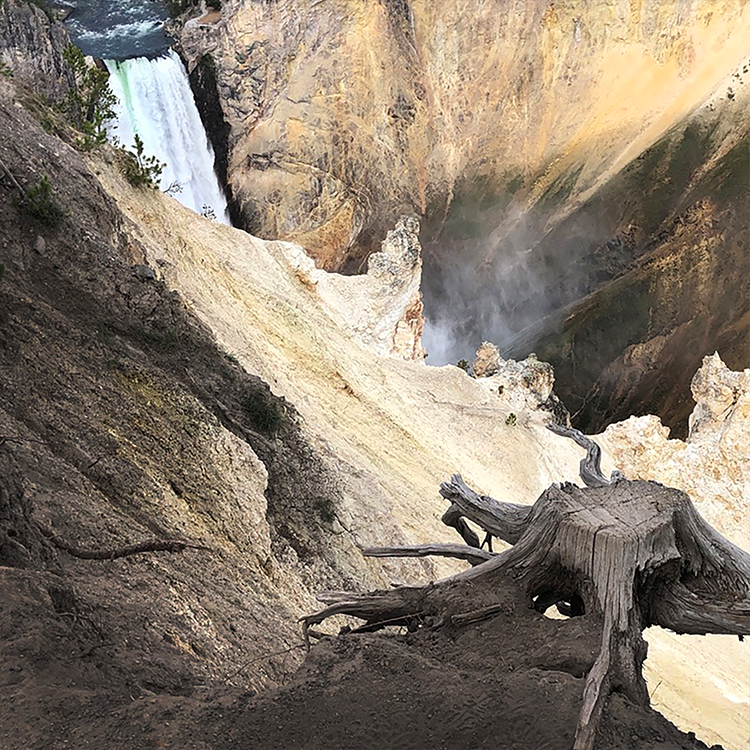
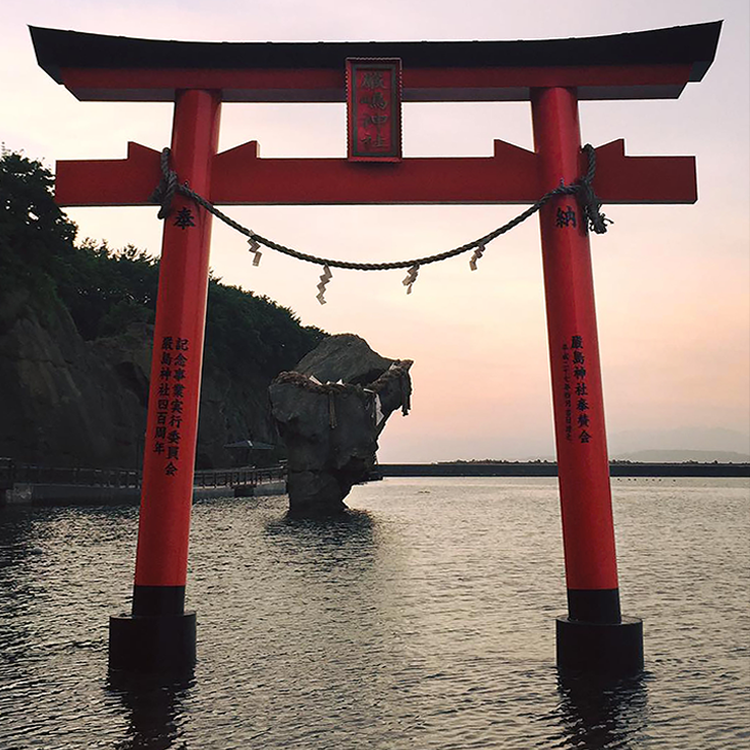
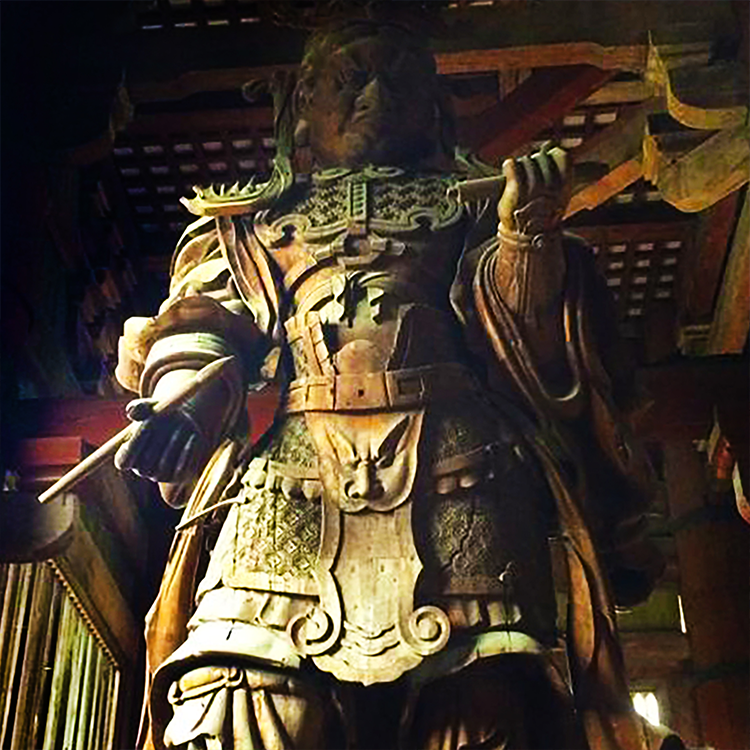
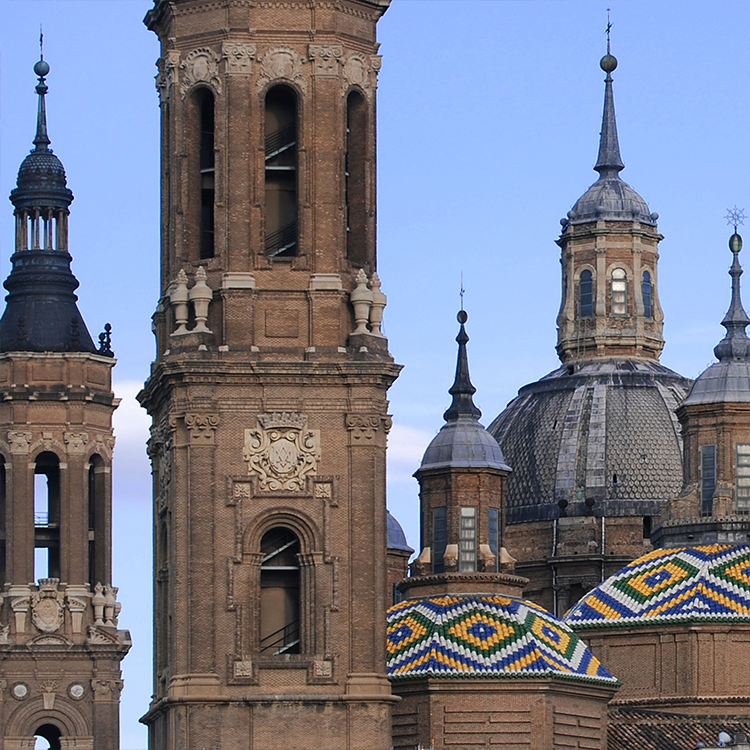
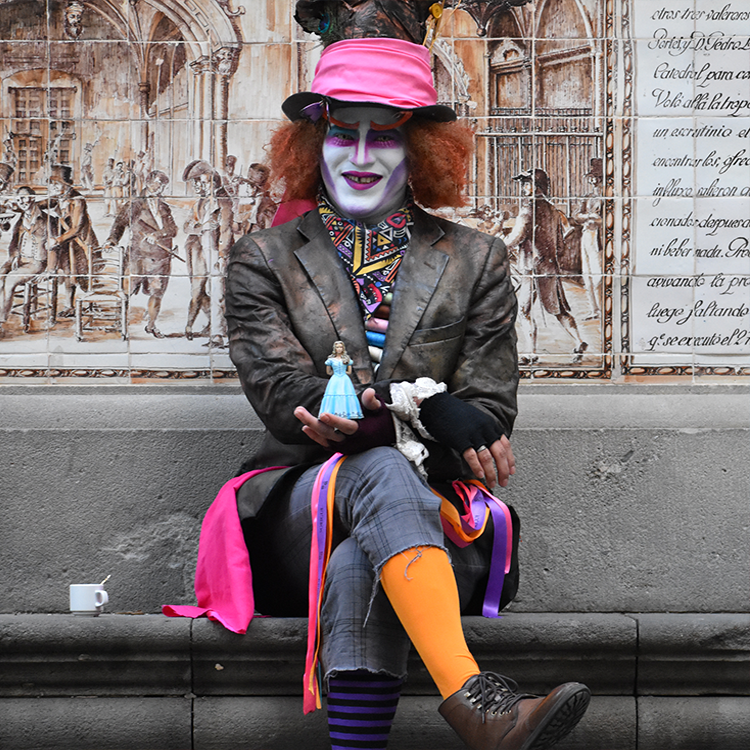
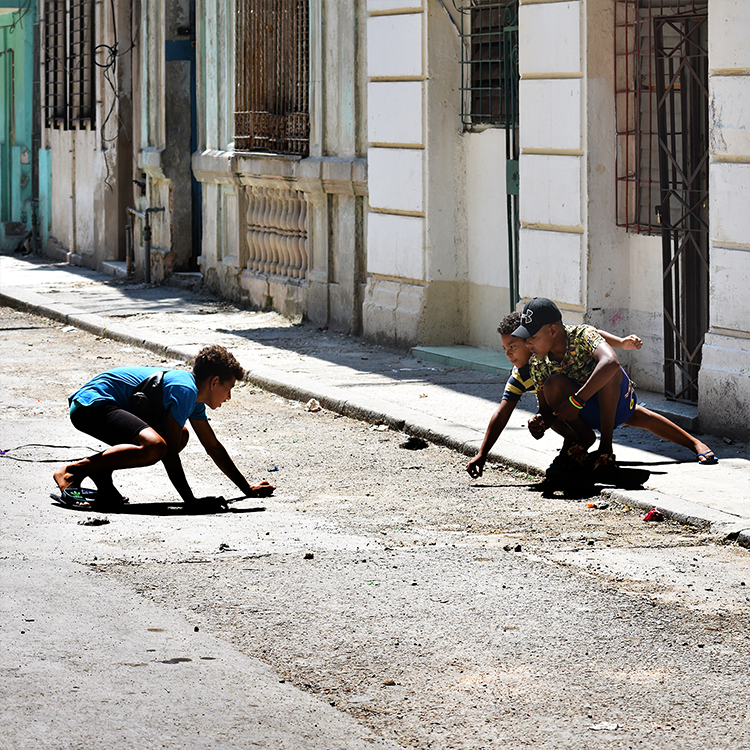
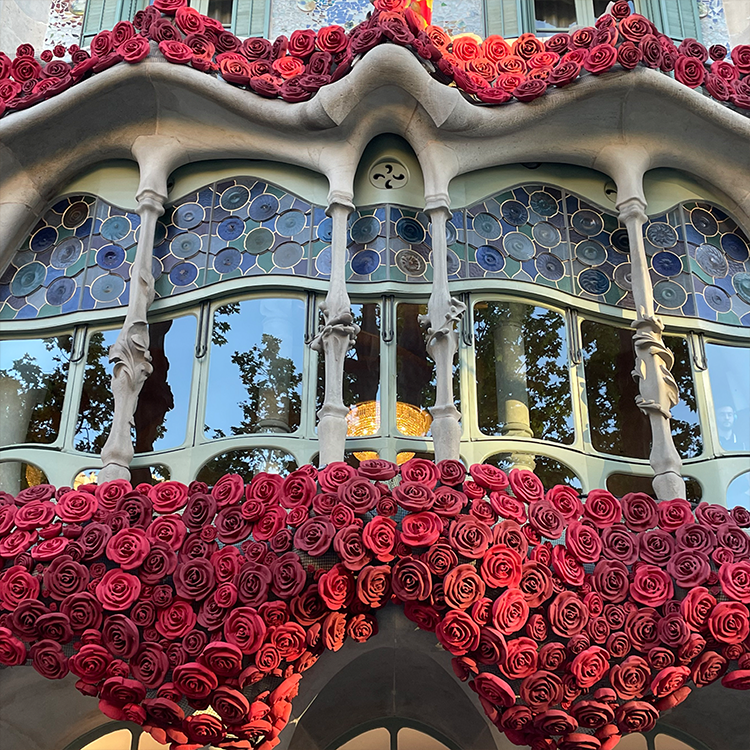
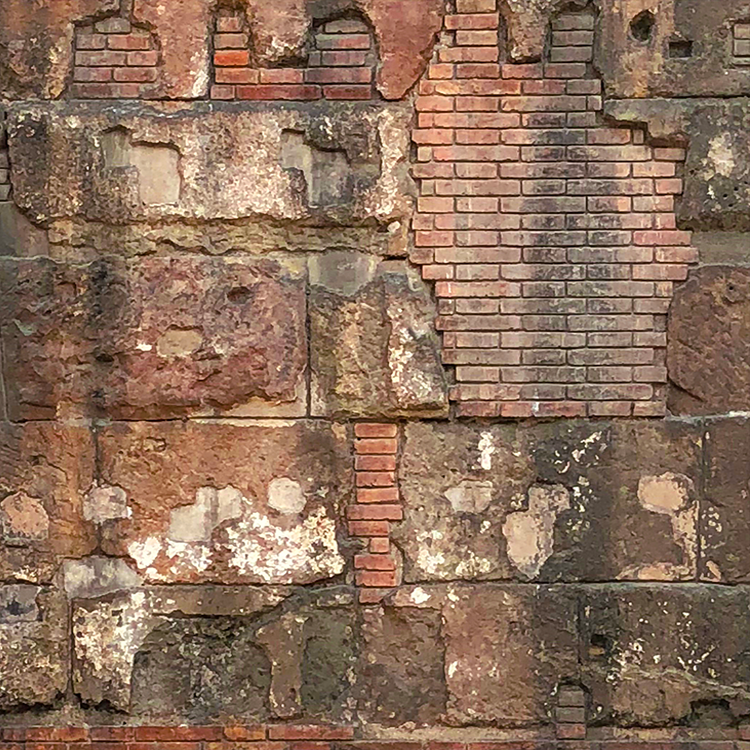
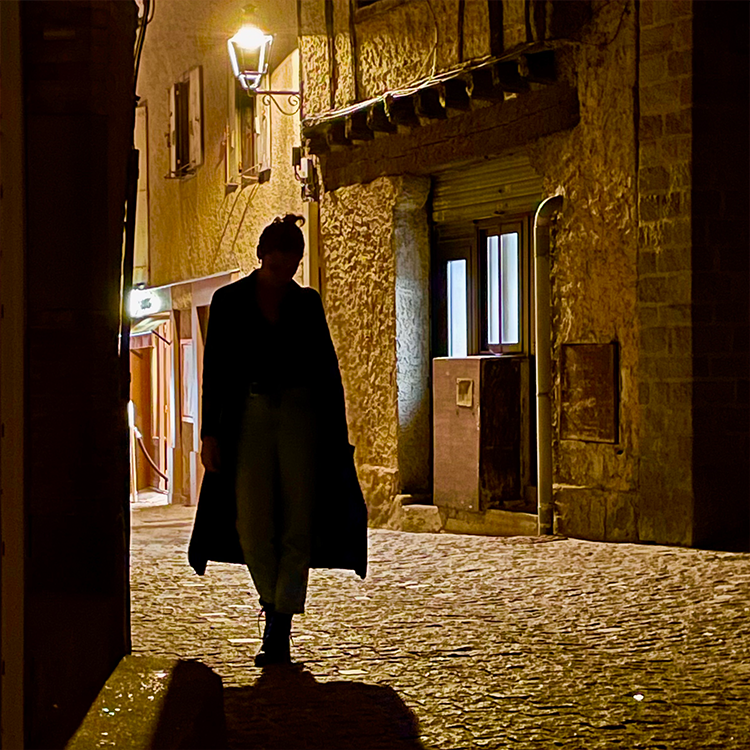
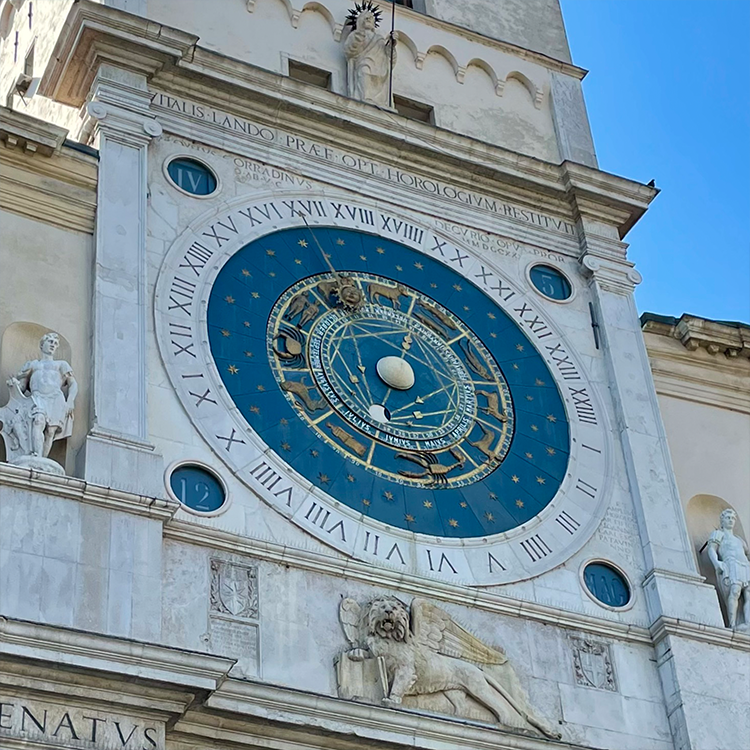
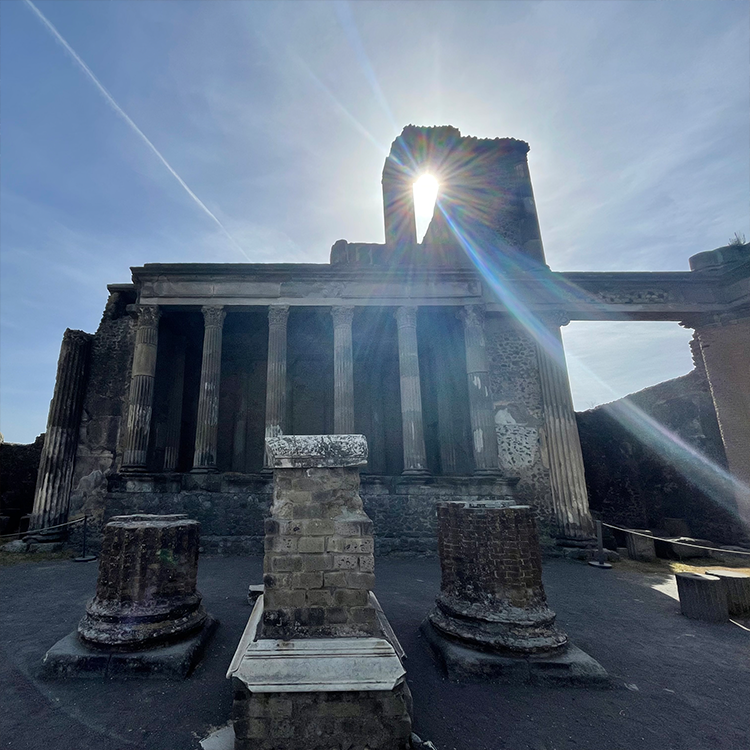
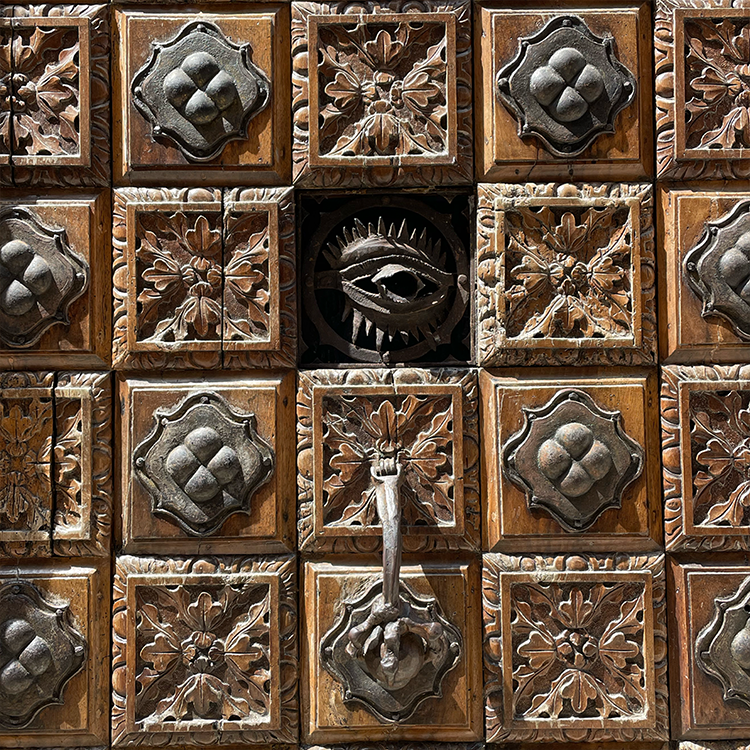
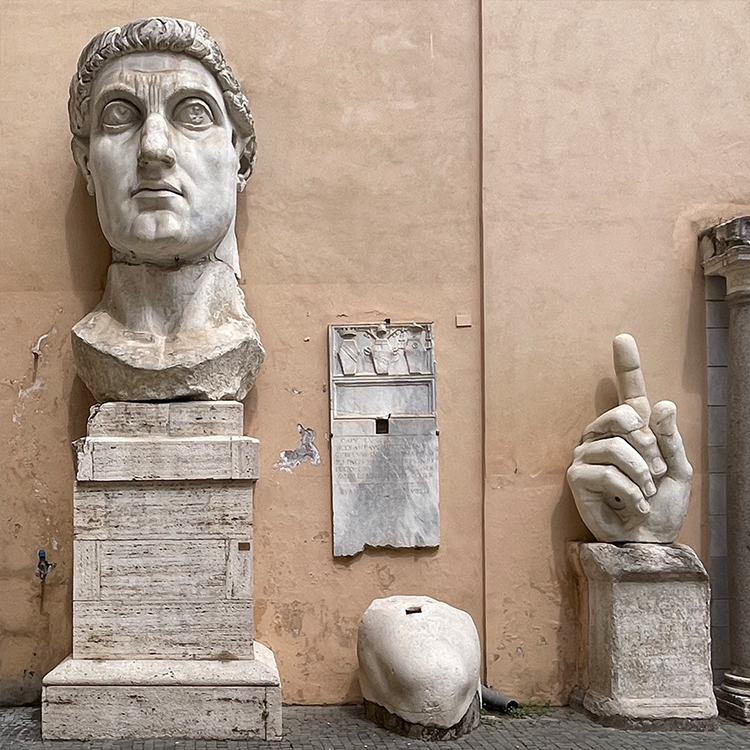
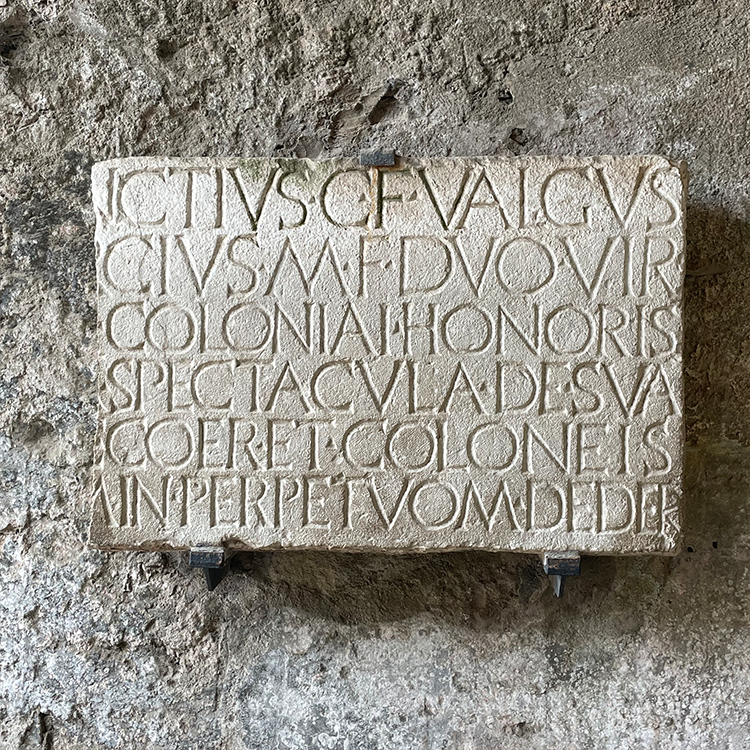
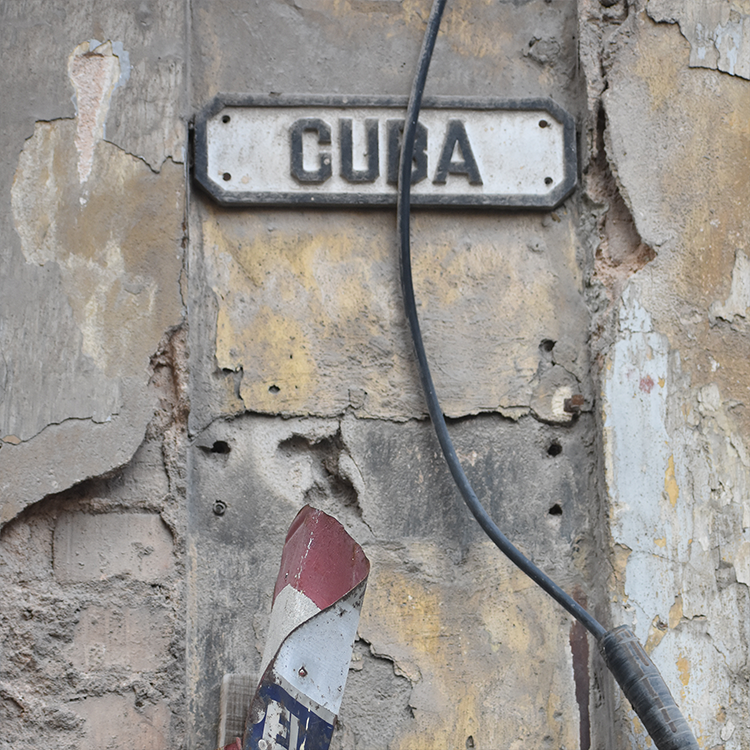
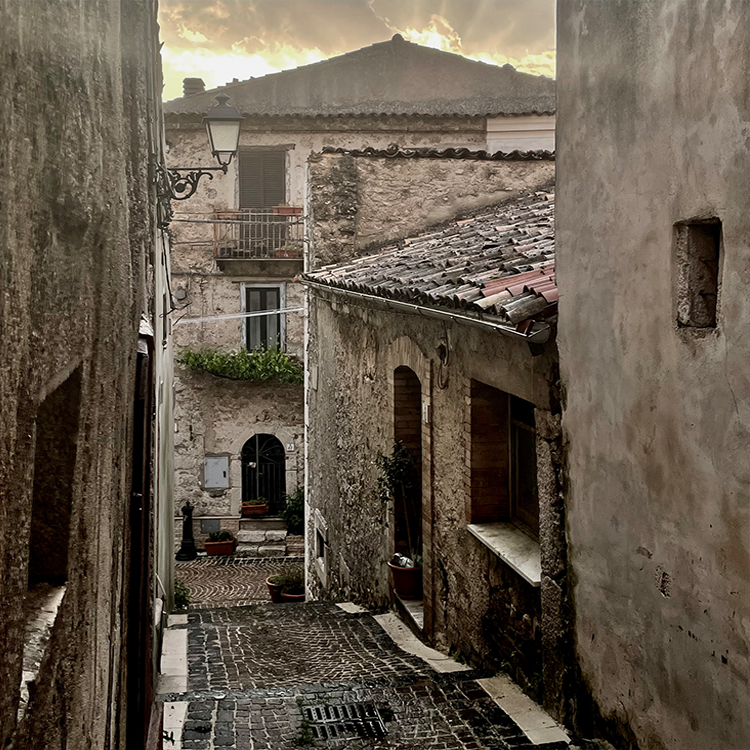
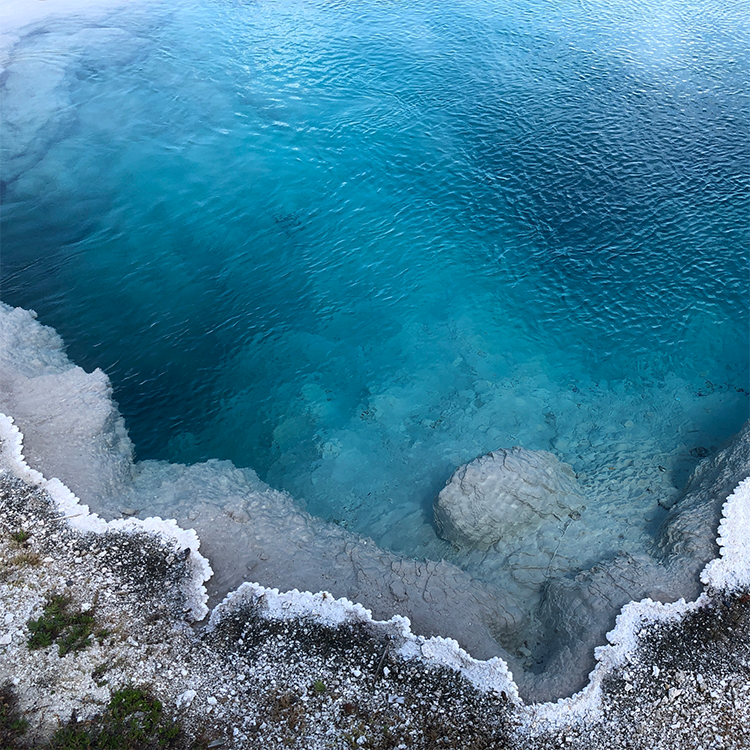
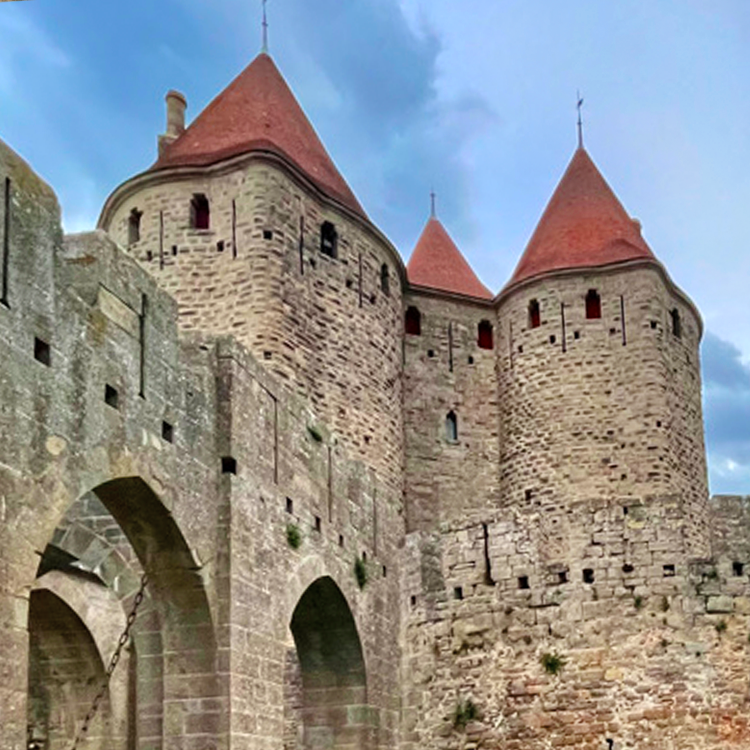
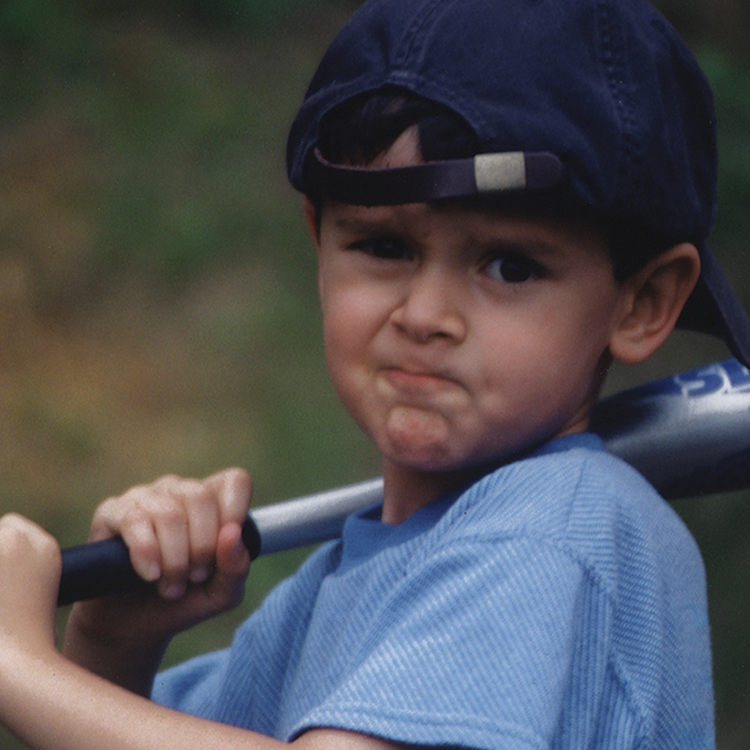
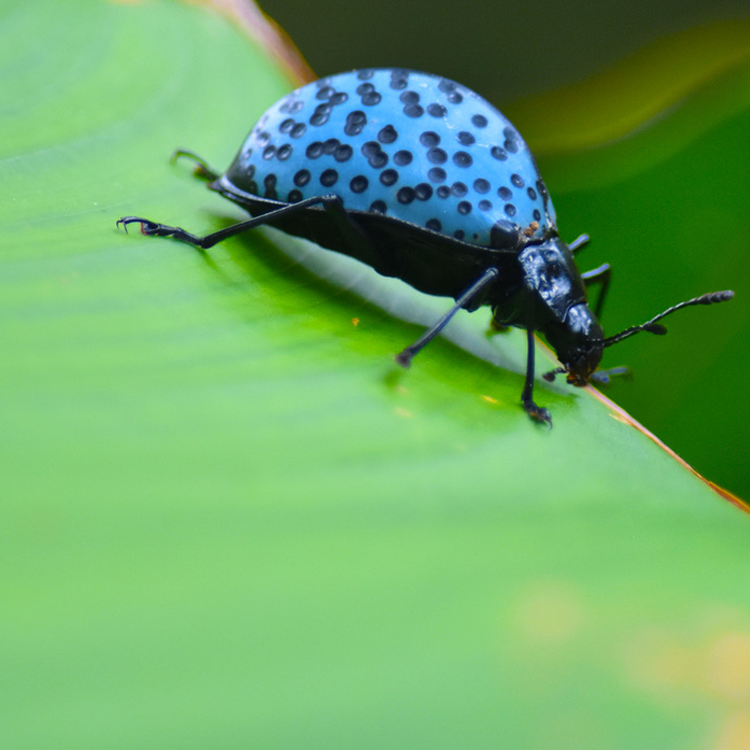
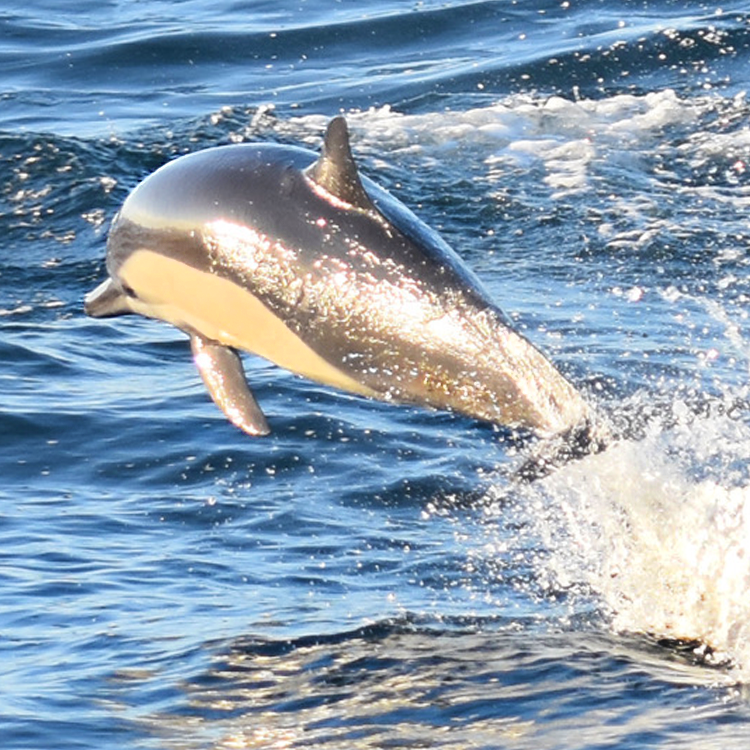
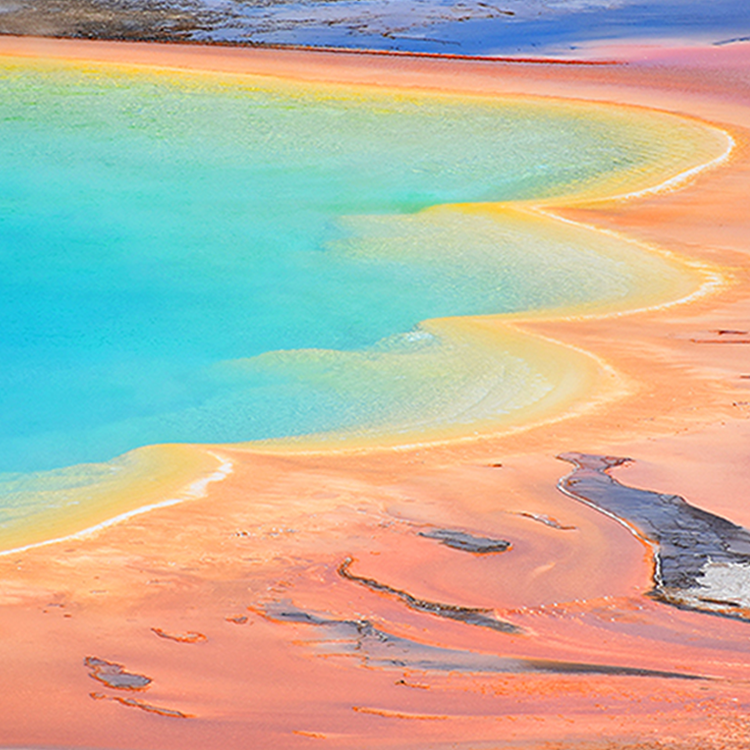
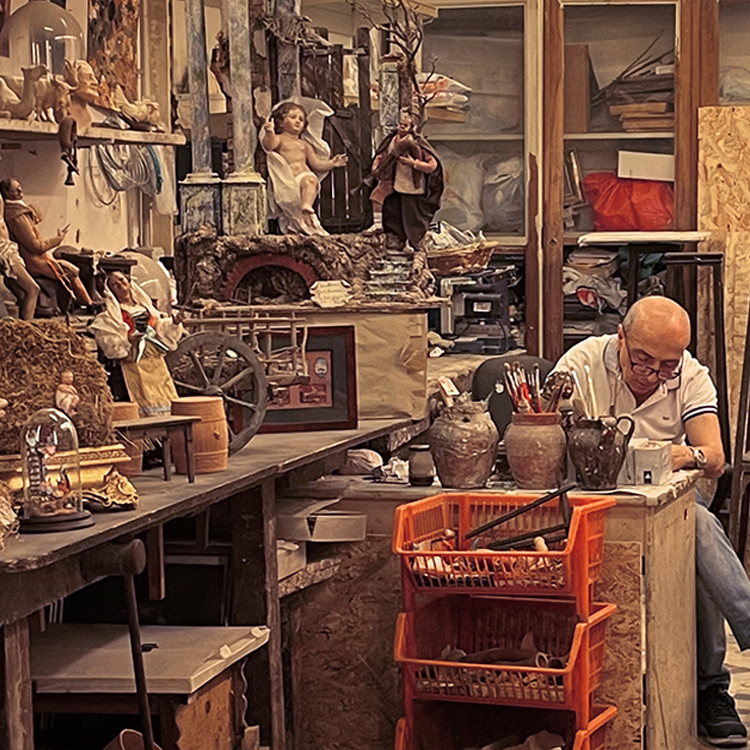
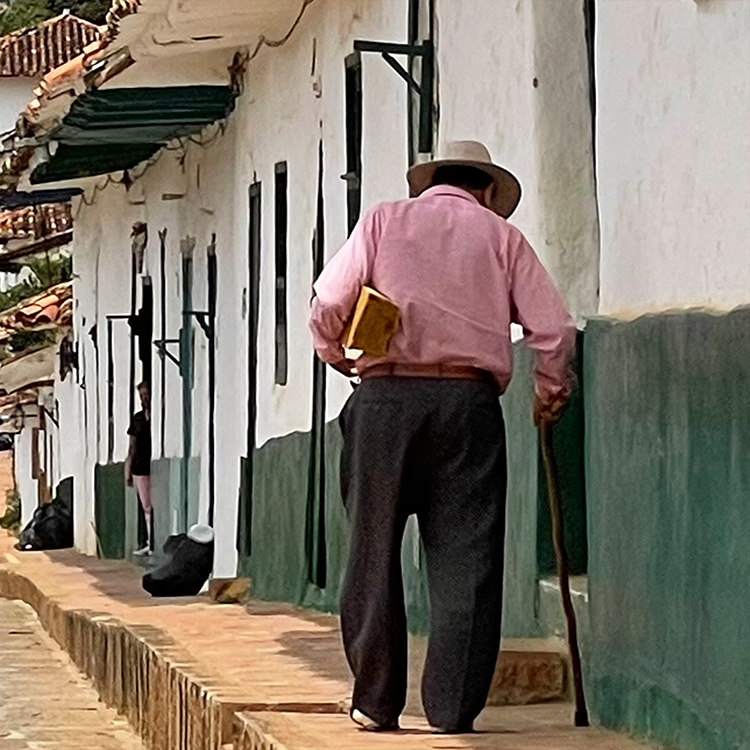
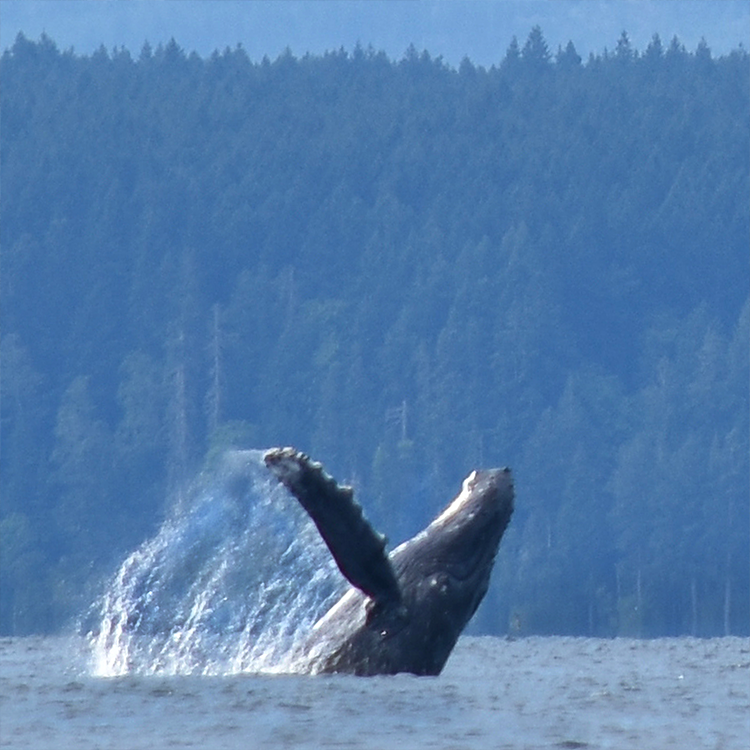
Our image library, with photographs collected from hundreds of destinations, is now an invaluable resource when creating our books
TRANSFORMING OUR LUGGAGE INTO ILLUSTRATIONS
After all the research done both at home and in the city we are visiting, we set out to find the locations that best help us tell the story. You might think of it as a daunting task, since the choices can seem infinite at times. But short of being truly magical, a moment comes while scouting, when the place to sit and draw seems to make that decision for you. You just have to keep your eyes open and your heart in the story, because anything and everything can ignite a creative spark. We travel with a backpack containing the most essential art materials, but once done, I can tell you we board our plane home with our luggage packed with a lot more drawings than bluejeans.
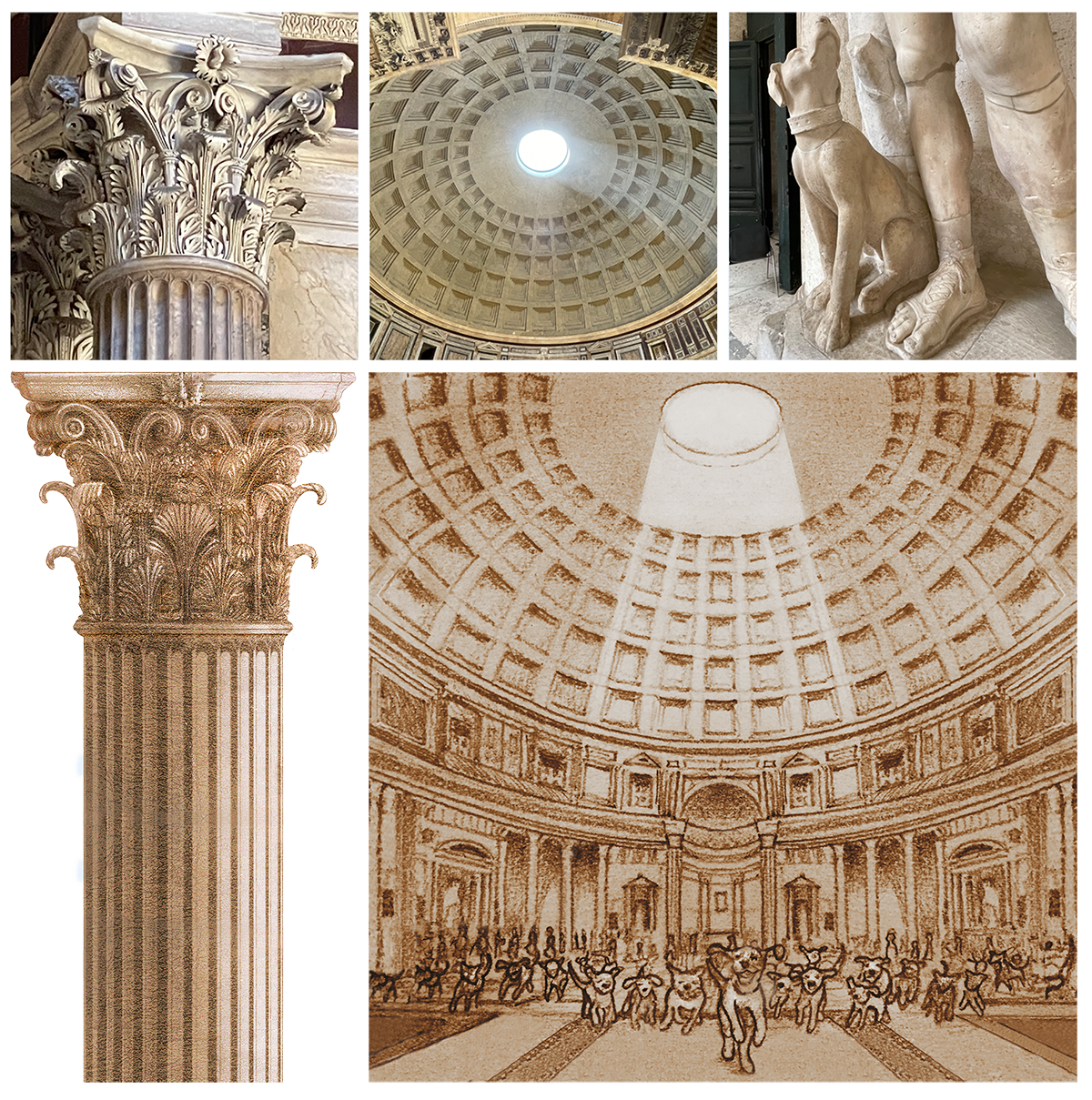
The initial sketches made in the field, aided by numerous photographs and drawings of details (and usually multiple visits to the chosen locations), evolve into little thumbnails that follow the story, like the ones below, then into 5″ studies like the one above, and once back in our studios, into more refined pencil drawings and color illustrations. Even some of our characters
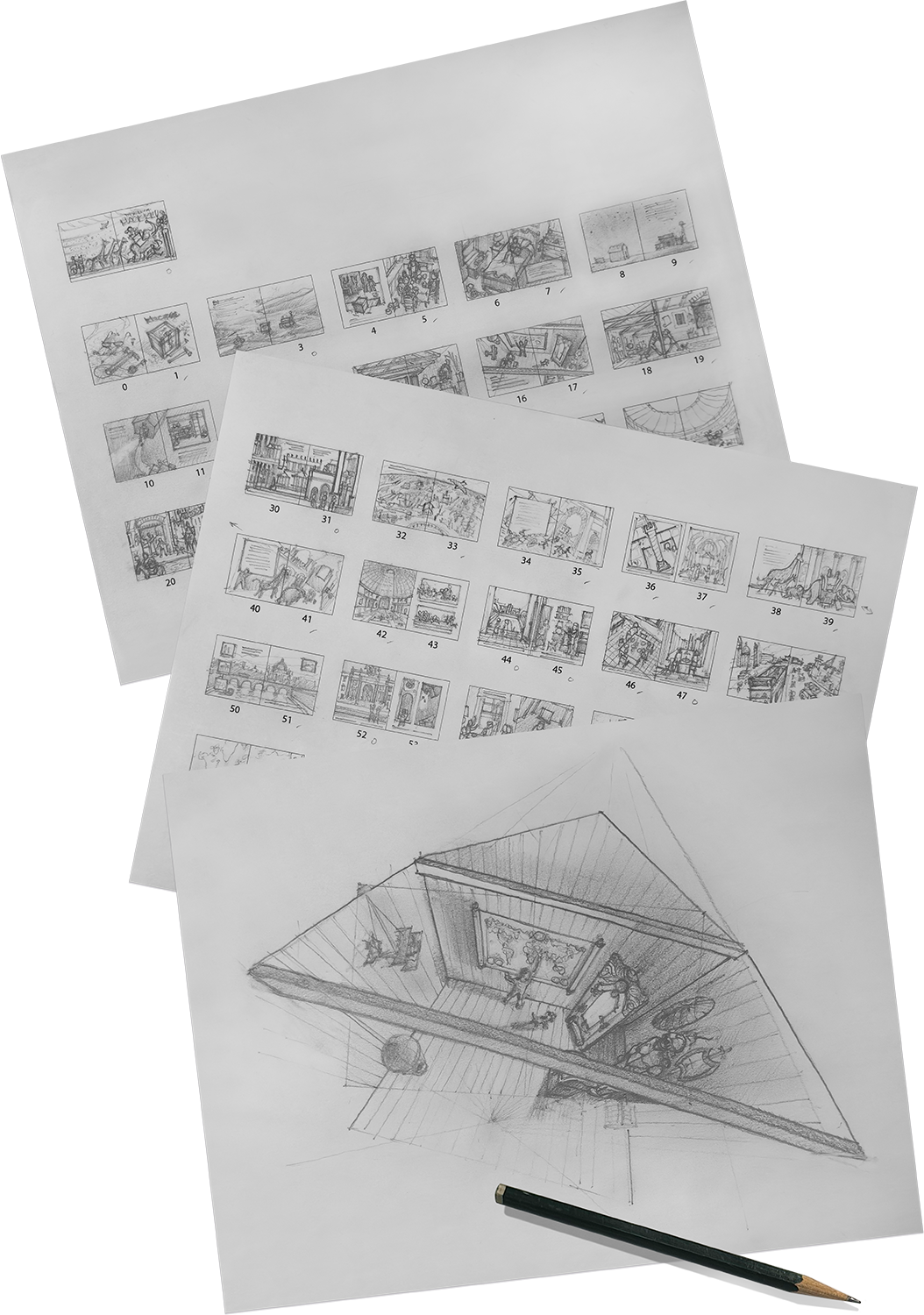
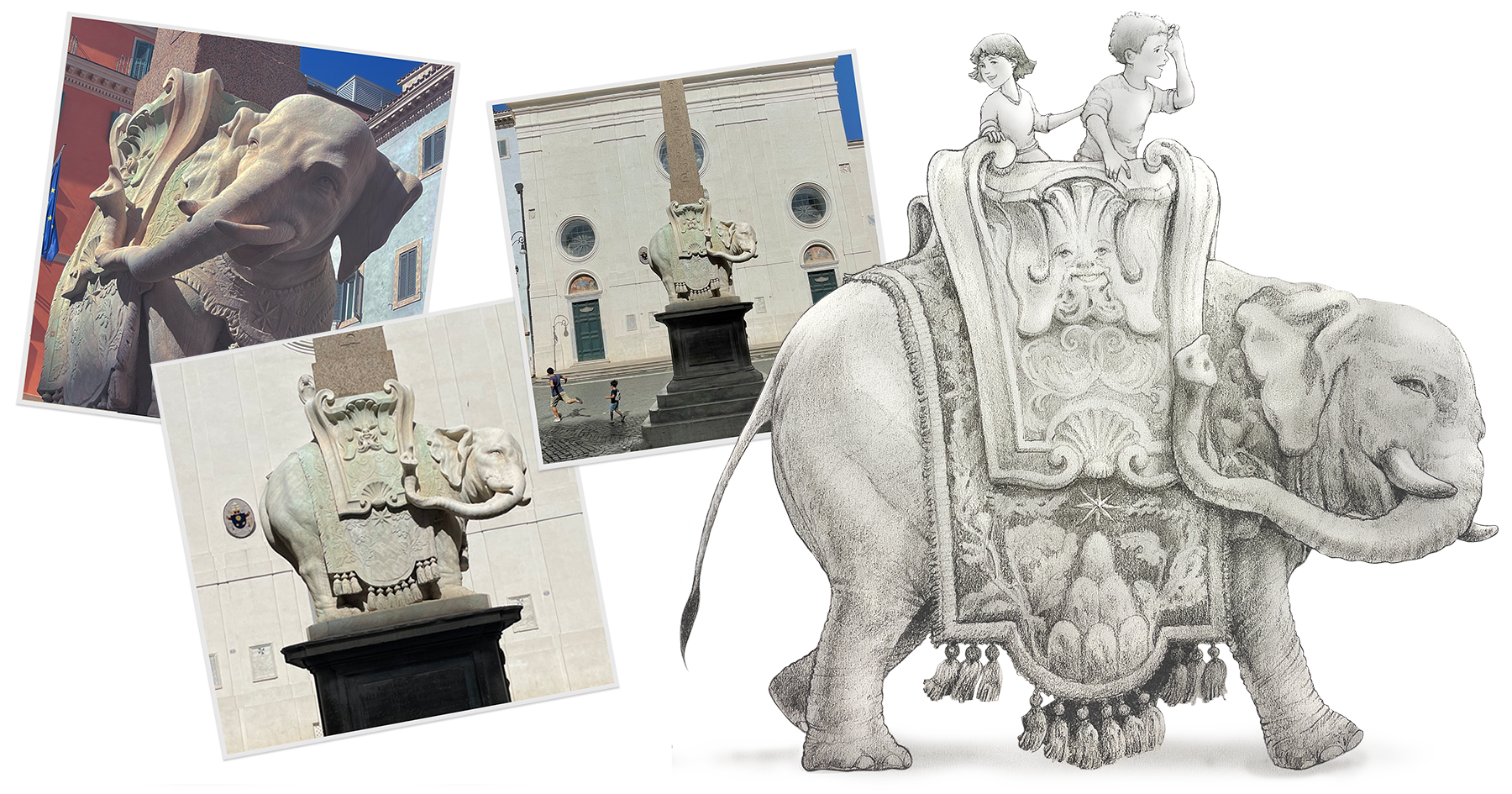
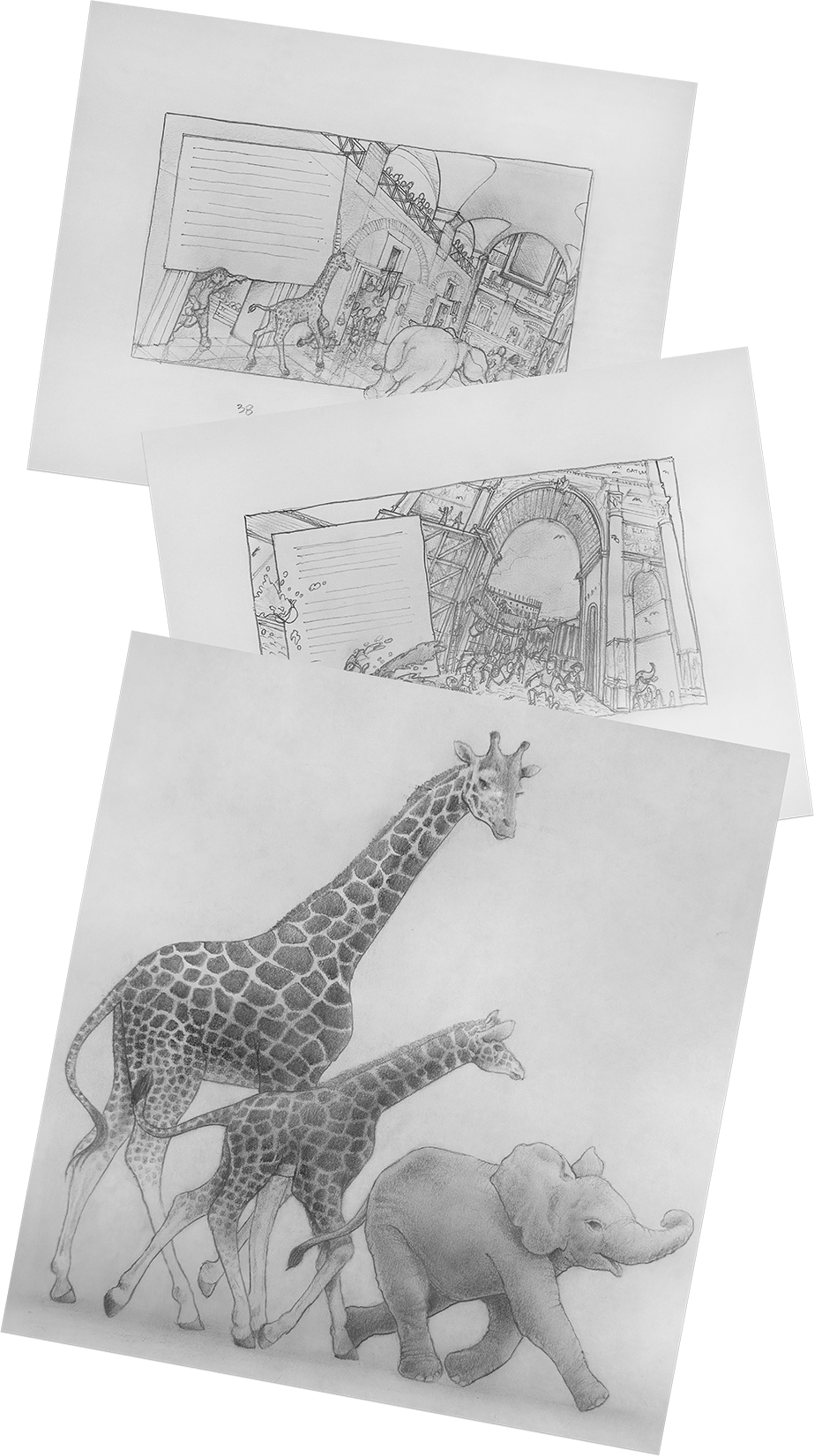
Many pencil studies are done while traveling, allowing us to adjust angles, seek better perspectives, and even consider different drawing styles while we still have time for adjustments on site. We take pride in the accuracy of our details, whether they are created for younger reading audiences, like the ones above, or for young adult readers, as with the complex illustrations being designed for “The Porta Magicae & the Crystal of Amäy Non.”

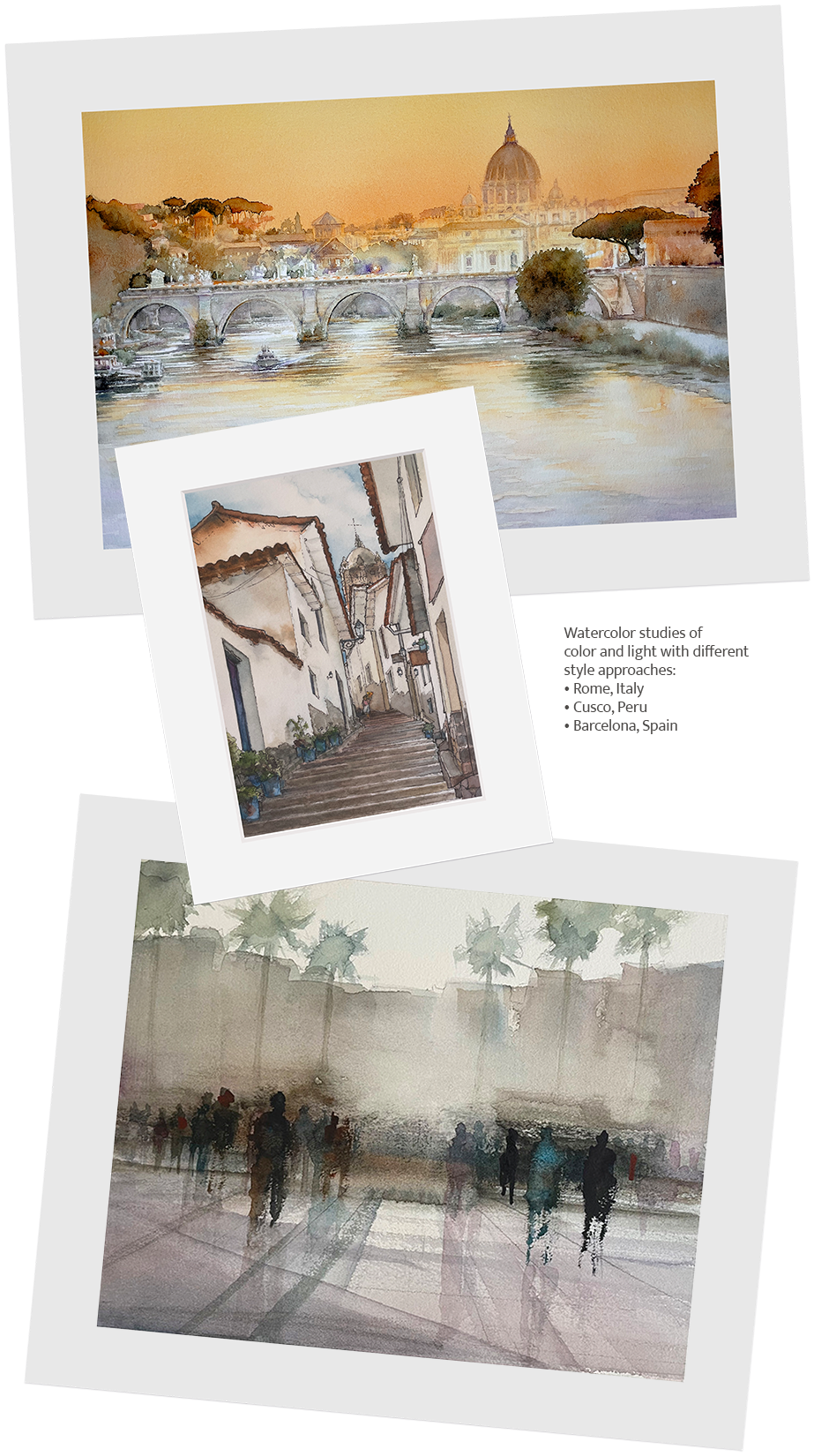
Although the illustrations for the books are all very “magical” in appearance, they are influenced differently by the culture of each country. The brightly colored and ornamented style chosen for Agra, India, is very different from the Venetian Gothic style study showcased here of “Santa Maria della Salute” in Venice, Italy. This is a layered composition of pencil on vellum (intentionally offset to evoke our “time-traveling experience”) over watercolors painted on Lanaquarelle watercolor paper, created as a color and light study for the book “The Porta Magicae & the Crystal of Amäy Non.”
Find out more about our photographs, drawings, and paintings. Please check out our gallery and see what’s new!
Visit this section of the website often, as soon we will be updating it with information about the upcoming book “Porta Magicae & The Crystal of Amäy Non”
Follow our team on Facebook and Instagram to learn first when we publish. Email us—let us know you would like to be on our email list. We’re coming soon; help us create the magic!